Mary Washington
Description
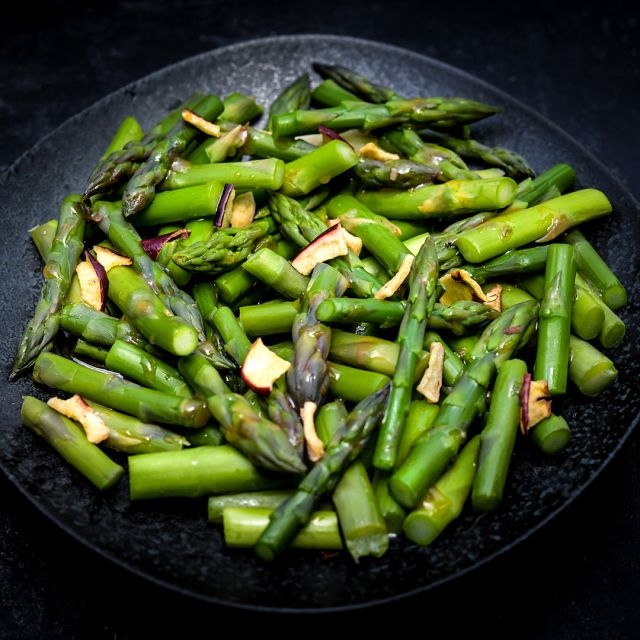
Easy to grow, disease resistant and delicious, Mary Washington has been the absolute gold standard for green asparagus varieties for the last century. This scrumptious and reliable heirloom has rightly reigned supreme in gardens and on farms since it was introduced in 1919.
Christmas Pole Lima Beans

(Phaseolus lunatus) Pole bean. Hailing from Lima, Peru, this chestnut-flavored Lima bean has long built its reputation as an American winter staple. In different locales, it’s known as either the Chestnut Lima or Christmas Lima because it has classically been reserved for special holiday festivities.
Golden Butterwax

Description
Bush. 50 days. This old favorite has earned praise from gardeners for its superior flavor, impressive yield, and natural disease resistance since the 1800s. D.M. Ferry introduced Golden Butterwax bean in 1876. Oodles of 5-inch long, bright yellow beans are produced on compact 16- to 18-inch tall plants that remain upright and sturdy. It is an excellent choice for canning and freezing.
Greasy Grits
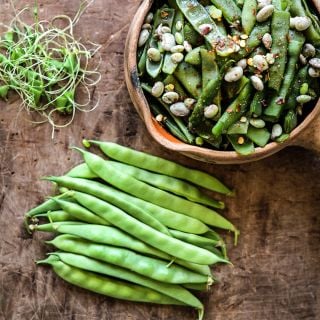
(Phaseolus vulgaris) Pole bean. Old Appalachian and mountain folk heirloom that used to be common in much of the Midwest and South. The Greasy Grits bean has recently been rediscovered and is highly sought after and celebrated by foodies, chefs, and nostalgic gardeners alike. A signature smooth, shiny sheen to the bean pods earned them the name “greasy,” but the superior nutty, mellow, umami flavor is what keeps Greasy Grits the king of Appalachian heirloom beans.
Henderson's Bush Lima

(Phaseolus lunatus) Bush bean. One of Peter Henderson & Co.’s most famous varieties, introduced in 1888, and still popular today. In 1888 Henderson offered $100 cash for plants bearing the most pods and proclaimed it “A VEGETABLE WONDER!!!” “Can and should be grown in every garden,” and also said “of all the Novelties...ever sent out, there is nothing so entirely distinct and valuable as this New Vegetable.” Dwarf bush plants can be grown like regular bush beans. They produce very tasty, and tender beans.
Kentucky Wonder Pole Bean

(Phaseolus vulgaris) Pole bean. This homesteaders’ heirloom was first mentioned in The Country Gentleman magazine in 1864 under the name of Texas Pole. It was introduced as Kentucky Wonder by James J.H. Gregory & Sons in 1877 and has been popular ever since. The 6-8 inch green pods are tender when cooked and have great flavor. In 1896 Peter Henderson & Co. said, “This we regard as far ahead of any other green Pole Bean.”
King of the Garden Lima

(Phaseolus lunatus) Pole bean. The King of the Garden Lima bean is an heirloom from 1883, introduced by Frank S. Platt. This variety has large 8-10 foot vines that yield huge white Lima beans over a long season. An old-fashioned favorite, excellent for home gardeners.
Purple Teepee
Description
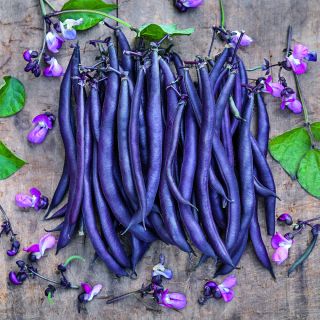
(Phaseolus vulgaris) Bush bean. Purple Teepee is a super-productive bush type that yields straight, purple pods. These are held above the foliage – a great advantage that makes the pods easier to see and harvest and keeps them from contact with the ground. Pick them young, at 4-5 inches, for flavorful, tender snaps.
Red Swan
Description
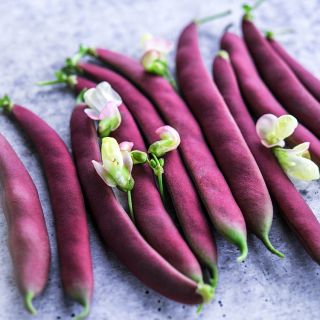
(Phaseolus vulgaris) Bush bean. This stringless snap has a delicious, robust beany flavor and is a most uniquely colored bean, nearly an actual red shade on the thick, flavorful pods, with lovely pink flowers, too! This wonderful variety pleases the senses and yields well. A beautiful selection from the late Robert Lobitz, the Minnesota bean man.
Urizun Japanese

Description
(Psophocarpus tetragonolobus) An early maturing and supremely delicious winged bean from Japan. This climbing bean is known for its unique, winged pods that are edible at various stages of development. Vines are lush and tropical looking, with large, lavender flowers and unique pods. The entire plant is edible, including the leaves, flowers, tubers, and seeds. Traditionally blanched and stir fried with ume (pickled Japanese plum), we love to toss them into the wok with just about anything; they are also great in soups or steamed.
Albino
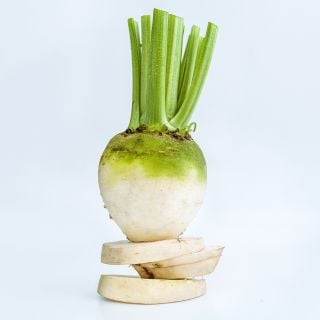
(Beta vulgaris). The sweetest of all table beets, the snow-white roots are like candy! This smooth, round heirloom beet from Holland is completely unlike the traditional earthy beet. Harvest the nutritious tops for an exemplary beet green. The roots can also be used for making sugar.
Bull's Blood
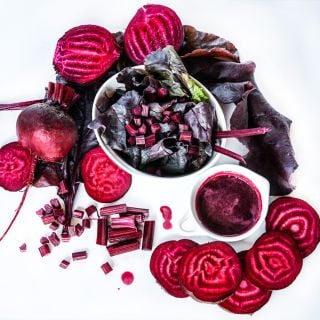
(Beta vulgaris). A delicious and beautiful multipurpose beet that is blood red to deep purple in color from its leaves down to its roots. The extra antioxidant-rich leaves are a highly regarded gourmet addition to salads, especially when harvested in the baby stage. The sweet, earthy roots are equally delectable. This is the best variety for microgreens and will top your meals with a welcome burst of color. This illustrious heirloom was selected in 1986 by Kees Sahin, a Dutch seed breeder who used the ancient Crapaudine beet as a parent.
Chioggia
Description
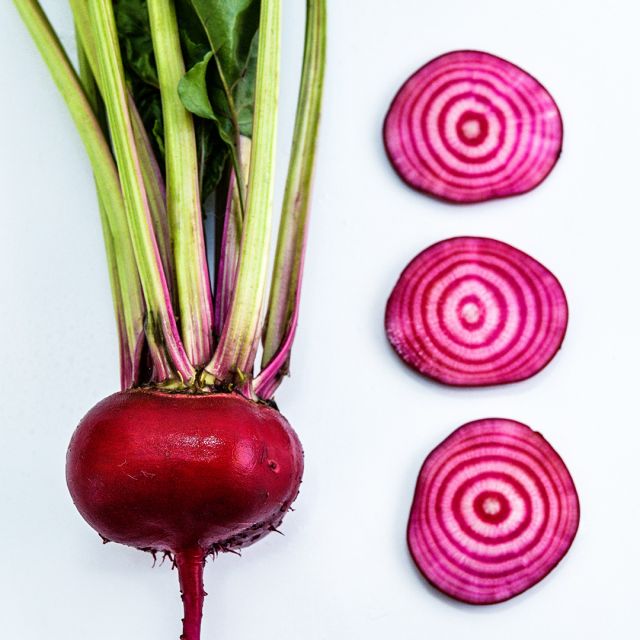
The Chioggia beet, originating from the historic town of Chioggia, Italy, is known for its striking concentric rings of pink and white. First mentioned in 1840, it was initially considered a gourmet oddity in the U.S. but is now popular among market farmers and top chefs. This variety is prized for its mild, sweet flavor and tender flesh, making it a favorite in salads and pickles. The greens are also crisp and high quality.
Golden Globe
Description
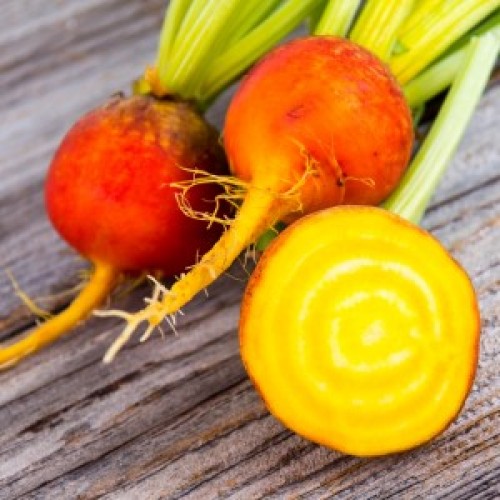
Golden beets just got sweeter. From Sativa Rheinau in Switzerland, Wintersonne brightens up the plate and lights up the palate with its royally gold, sugary flesh. An all-round kitchen superstar but the sweet earthy tones are ideal for grating raw into salads for some extra crunch, similar to a carrot. These rapidly growing, uniform, globe-shaped beets adorn rich burnt-orange skin, yet on the inside showcase a delicate display of sunshine yellow and cloudy white concentric rings. Robust, resilient and adaptable to different soil types.
Milk

(Brassica rapa subsp. chinensis). Ivory-white, sweet-flavored stems against forest green foliage make for a stunning contrast of colors. But it’s the flavor and juicy texture that really make Baby Milk bok choy is a show-stopper! The perfect single serving-sized plant, a head can fit neatly in your palm. In China bok choy is celebrated as a nutrient-dense superfood; indeed bok choy is a rich source of vitamins A, C, and K, as well as smaller amounts of a wide range of important nutrients. Bok choy also ranks at the top of the charts for nutrient density, rated healthier even than spinach and broccoli.
Shanghai Green
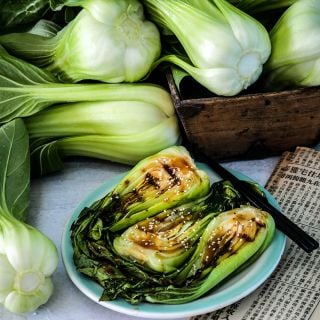
(Brassica rapa subsp. chinensis). A delicious jade green baby type that is in high demand with top chefs. The small plants are upright and have light green stems. Equally suited for home gardens and farming. They are extra tender and finely flavored, making them a coveted variety among culinarians in the know.
White Stem
Description
This cruciferous vegetable has a very mild, sweet flavor that shines in Asian dishes and stir-fry. A member of the brassica family, Pak Choi does well when sown in Spring or Fall. Start indoors about 4 weeks before the last frost and transplant outdoors when soil temperature reaches 50 degrees. Use plenty of organic fertilizer for tasty cabbage heads. Small, compact growth habit reaching 4-5 inches. Harvest baby pak choi leaves in just 30 days, or wait for the full heads to form in about 60 days.
Long Island Improved
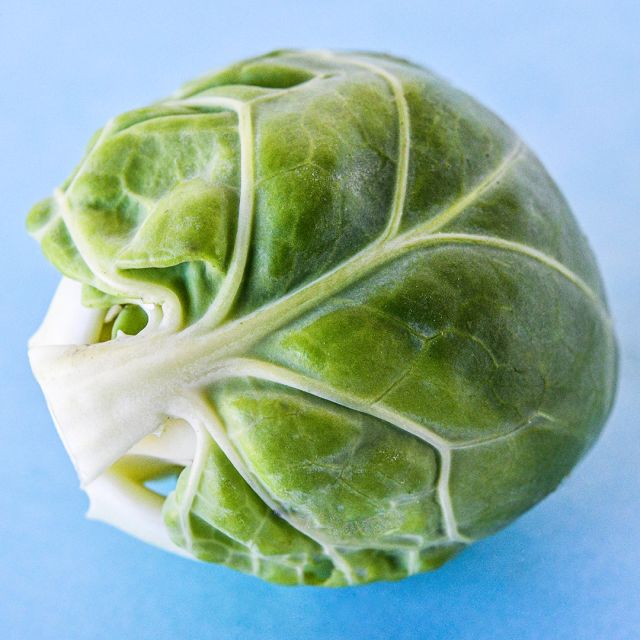
Description
(Brassica oleracea). The standard open-pollinated variety since the 1890s. It offers heavy yields of delicious sprouts. It is also especially prized for its compact size. Known for its ability to withstand cold temperatures, Long Island Improved Brussels sprouts are a must-have for any garden, offering a rich, nutty flavor that intensifies after a light frost.
Granaat

(Brassica rapa). A tender and delicious classic old European selection. This is an excellent Chinese cabbage, with a gourmet flavor perfect for home gardens. The big, tall plants are heading to semi-heading. This high-yielding variety will make tons of stir fry, soups, and of course, kimchi!
Jersey Wakefield

(Brassica oleracea). Introduced in the 1840s, this variety offers tasty, 2-lb, sweet, and flavorful, conical heads. Its compact size makes it perfect for small gardens and containers. This very early variety was sold commercially by Peter Henderson in the late 1860s.
Radicchio- Palla Rossa

Description
(Cichorium intybus). 100 days. A lover of the cooler weather, these rich wine-red leaves with snow-white veining are perfectly balanced with sweet, savory, and bitter notes that are not too overpowering. These leafy crops are not just delicious in salads but heads can be quartered and braised in stock for a delectable cabbagy-like side. The perfect addition to the patch as these naturally bitter leaves are rich in antioxidants, and contain chemicals that regulate blood sugar, support the heart and promote a healthy gut.
Chinese Celery

Chinese Celery (Apium Graveolens) is a flavorful and aromatic relative of grocery-store celery, with smaller, hollow stems and a strong peppery flavor. It is petite and perfect for small spaces like containers, herb gardens and patios.
Amish Butter

Description
This buttery heirloom popcorn dates back to the 1800s and has been grown by the Pennsylvania Dutch for generations. The sturdy 8-foot stalks produce about 2 ears per plant, each about 4-6 inches long with small, round, nearly ivory kernels.
Atomic Orange

Description
Exceptionally high in both protein and beta-carotene, the amazingly nutritious and totally delicious orange ears are produced very early. This variety ranked high on the list of most protein-rich heirloom corns in a study done by Baker Creek in 2018. We are thrilled to offer this stunning, open-pollinated variety from the gifted corn breeder Ed Schultz of Bozeman, Montana, who spent 30 years developing this fantastic soft flint corn. It sports a range of orange colors, from brilliant sunburst orange to pumpkin and russet; even the cobs are orange! For an added surprise, it will throw an occasional all-white ear.
Fisher's Earliest

Description
Developed and selected 60 years ago by Ken Fisher of Belgrade, Montana, to grow in the cool and harsh conditions of the state, this sweet corn is sure to grow almost anywhere! Vigorous, multicolored 5- to 6-foot stalks bear one ear per plant and have 10-12 rows with a golden hue. The ears have an excellent fill to the tip and husk coverage.
Orchard Baby

Description
A supremely early-maturing sweet corn with delicious flavor. This compact variety was bred in Canada and offered by the North Dakota seed company “Oscar H. Will and Company” in the 1940s. A perfect choice for limited garden space or for growing in containers. The stalks stand just 3- to 5 - feet tall bearing 2 ears each. Kernels are sweet and yellow with classic sweet corn flavor.
Beit Alpha (Out of Stock)

A delicious, very sweet cucumber that is usually picked small and does not need peeling, as the skin is very tender. This variety is very popular in the Mediterranean, having been developed in Israel at a kibbutz farm, and it is now becoming popular with Americans because of the fruit’s fine flavor and high yields. This cuke is also burpless and has great shelf life. A parthenocarpic variety, you can grow in a greenhouse without pollinators.
Boston Pickling
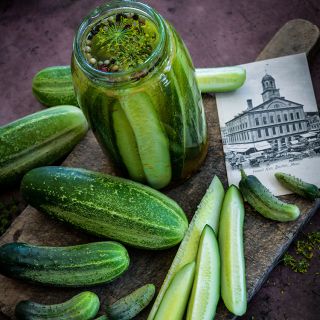
An old heirloom dating back to 1880. Vigorous vines give large yields of smooth green fruit. It is excellent for pickles; very crisp and good quality. A very popular variety at the turn of the 20th century.
Dutch Yellow

Description
This large yellow cucumber was popular in Holland for making sliced pickles. The Dutch call this cucumber the “ancient race.” With its sunny yellow color, the ripe fruit is quite striking. This fine old strain is very rare now, even in Europe.
Lemon
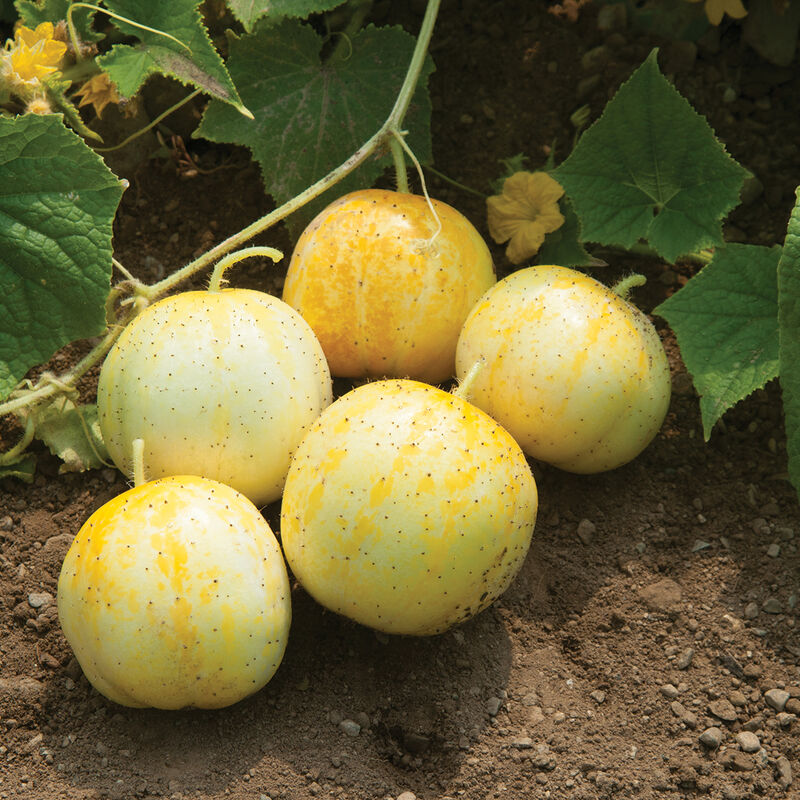
Description
Small, rounded, pale yellow cucumbers. Pick at 1½–2½" diameter. This versatile cucumber is sweet and flavorful, and doesn't have much of the chemical that makes other cucumbers bitter and hard to digest. Though often served raw, Lemon is also a good pickling cucumber. Very late to begin bearing.
Marketmore 76

Marketmore ‘76 is a name that is synonymous with vigor and productivity. Marketmore ‘76 is possibly one of the most recognizable heirlooms, and rightfully so. Decades after its initial introduction, this delicious, refreshing cuke still boasts impressive disease and pest resistance. Fruit averages 8-9 inches long, perfect for slicing. Dark green with thick protective skin, a perfect choice for market gardening as the rugged little fruit stand up well to shipping but still have the high quality of flavor and texture that grocery store cukes simply can’t match!
The original Marketmore cucumber was developed at Cornell University in 1968 by Dr. Henry Munger. It was hailed as a breeding breakthrough for cucumbers. For 30 years Dr. Munger perfected the Marketmore (and many other incredible vegetable varieties). In 1976 he released a particularly vigorous open-pollinated strain of Marketmore, and it remains a favorite of home and market gardeners alike! We are grateful to Dr. Munger, who in his 60 years of breeding at Cornell championed the idea of bringing more densely nutritious vegetables to the forefront of the diet in order to promote health.
Suyo Long

Description
Long, ribbed, dark green fruit can grow to 18 inches. They are very mild, sweet, and burpless. One of our personal favorites for fresh eating. This productive heirloom comes from northern China and is very attractive. A parthenocarpic variety, you can grow in a greenhouse without pollinators, and vines will produce masses of burpless fruits that have few seeds, making them more tender and crisp!
Black Beauty

(Solanum melongena). The standard old type, these large black fruits are of excellent quality. Very tasty! Much later to ripen, these need a long season and give lower yields than others.
Jewel Marble

(Solanum melongena). These impressive and abundant yielders are compact, bushy, dwarf plants ideal for pots, containers, or growers short on space. It is an ornamental and culinary delight, bursting with pinstriped marbled patterns of vivid violet, majestic mauves, and eggshell whites. Plants produce a profuse amount of silky sweet and nutty-tasting fruits that average 3 inches in length. They are delicious when roasted whole in the oven or simmered into stews like ratatouille. The perfect pick for balcony, window ledge, and rooftop growers.
Mitoyo

Description
(Solanum melongena). These oval fruits are large, teardrop-shaped and nearly black. The flesh is very tender and sweet. It is even highly recommended for use without cooking! It is also excellent baked or roasted, and is often pickled as well in its native Japan, where the variety was originally collected at a local market. Traditionally grown in the Mitoyo and Kanonji areas, it is one of the best-tasting eggplants we have ever tried.
Agastache - Raspberry Daiquiri (Out of Stock)
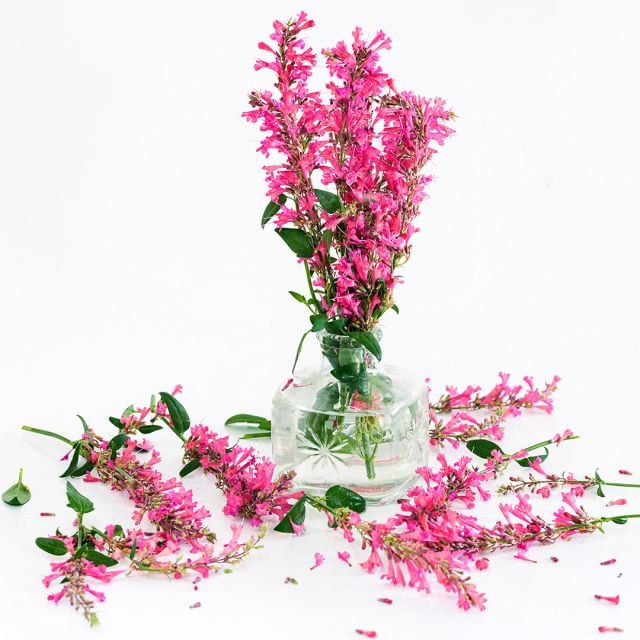
Description
The heavenly fragrance and stunning raspberry-colored flowers make this agastache irresistible to pollinators, and a favorite in our trial gardens! Plants average 15 inches tall and 12 inches wide. Attractive to a wide range of pollinators and also resistant to deer and rabbits. Blooms from early summer to mid fall.
Aster - Benary's Princess (Out of Stock)

A rare and wonderful color! Blazing and bold crimson-rose color with fully double petals make this a top choice for design in the landscape or as a cut flower. 3- to 4-inch blooms are magnificent to behold. Vibrant blooms sit atop 28-inch tall stems.
Aster- Matsumoto Formula Mixed

A stunning rainbow of color from beautiful Japan. A vivid mix of double-flowered asters, with impressive disease tolerance. This blend of bold purple, fuchsia, lavender, pink, red, white, and apricot is a perfect fit for containers, beds, borders, and of course, cut flower design! The sturdy stems reach 24-30 inches in length. 2-3 inch diameter flowers with yellow centers. The extra-full petals with their attractive colors are highly desired for floral design, making incredible arrangements. Asters have long graced beds and borders and cottage gardens. Even the famous gardening president, Thomas Jefferson, was said to have an appreciation for the sturdy and brilliant blooms of China asters.
Aster - Matsumoto Red Striped (Out of Stock)
 Description
Perfect fit for containers, beds, borders, and of course, cut flower design! The sturdy stems reach 24-30 inches in length. 2-3 inch diameter flowers with yellow centers. The extra-full petals with their attractive colors are highly desired for floral design, making incredible arrangements. Asters have long graced beds and borders and cottage gardens. Even the famous gardening president, Thomas Jefferson, was said to have an appreciation for the sturdy and brilliant blooms of China asters.
Bachelor's Button - Classic Artistic Mix

Balanced formula mix of assorted Bachelor’s Buttons of mostly two-toned color patterns. The spectrum runs from sky blue through royal blue, deep burgundy to reds, rose, pinks, and white. Lends wonderful color to beds, borders, and especially to old-style cottage garden designs, and makes a perfect cut flower too! Truly an artistic new spin on an old classic favorite.
Bachelor's Button - Red Boy

A deep crimson spin on the beloved Bachelor’s Buttons. Droves of pollinators will flock to these lipstick-red blooms. Plants grow to 3 feet tall and are excellent for containers. A delightful edible flower, perfect for salads and edible garnish.
Calendula - Orange King
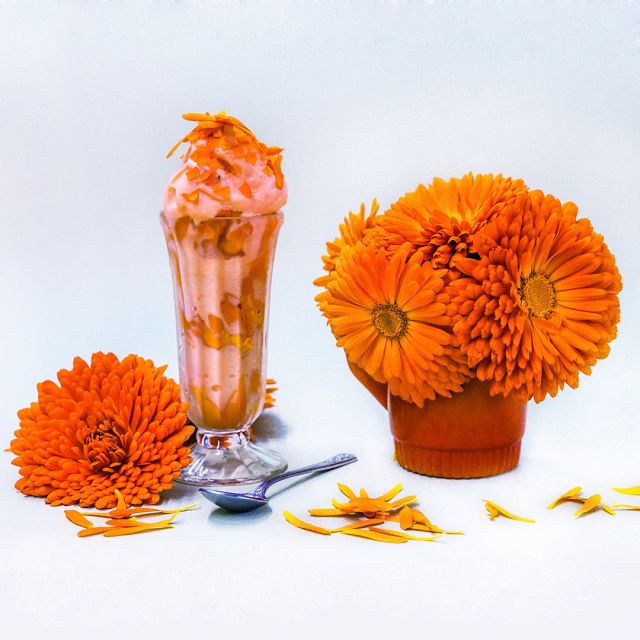
This is a massive, double calendula that flowers in a beautiful shade of brilliant orange, making this variety a true king of calendulas. It is a hardy annual, making it easy to grow even for beginners. Grow calendula as a pest-repelling companion flower in vegetable gardens or plant in beds, borders, or containers.
Calendula - Pink Surprise (Out of Stock)

A lovely calendula variety with apricot flowers tinged with pink. Truly something new and exciting! These frilly flowers bloom over a long season, and are easy to grow, making them suitable for gardeners of all skill levels.
Coreopsis - Incredible Dwarf Mix

A dainty and delightful dwarf variety with a gorgeous array of sunset colors. Compact and tidy plants reach about 16 inches tall and about as wide. A cottage garden accent or border plant, it also performs well in pots, raised beds and meadows. Versatile and irresistible to pollinators, and it provides loads of color that will make your garden really glow this summer!
Coreopsis - Incredible Swirl (Out of Stock)

This dizzying explosion of bold little blooms will completely transform your design or landscape -- it is a show stopper! The small but mighty flowers are just 1 inch across, but the maroon petals dipped in lemon cream make them pop, floating atop long, wiry stems. This half hardy annual creates clouds of color that gently sway in the breeze; plants reach 3 feet tall. This plant is constantly humming with beneficial insects, from small native bees to bumbles and butterflies. It starts flowering in late spring, and when deadheaded will remain flawless and floriferous until fall! Self sows.
Cosmos - Japanese Kiiro
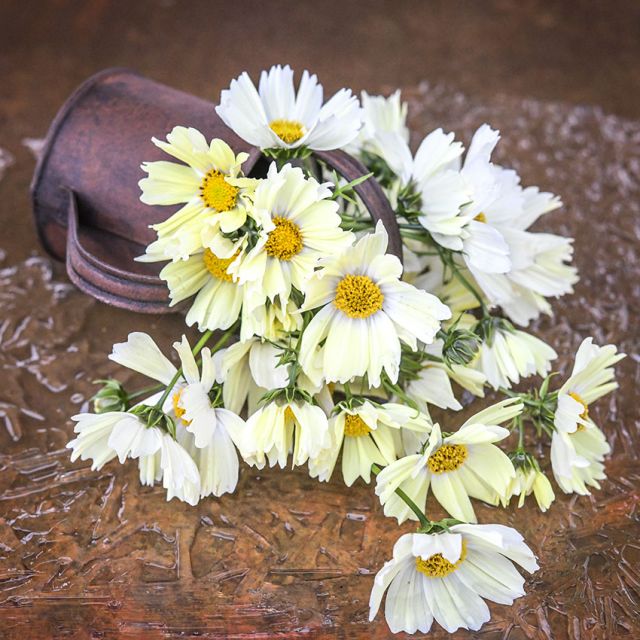
Description
Cream, rose, and peach. The 4-foot-tall plants make soft clouds of soothing color, perfect for the back of the border, and are lovely in arrangement. A totally unique and different color in Cosmos that is beloved by gardeners and pollinators alike!
Cosmos - Xsenia

Annual. A stunning riff on one of our favorite pollinator flowers. Xsenia was awarded the prestigious Fleuroselect Novelty Award in 2018, specifically appreciated for its unique flame-pink color that changes in an almost sepia effect as the flowers mature over the season. These dazzling flowers are a bit more refined in their presentation than other cosmos varieties. Compact plants reach just over 2 feet tall; the 2 ½ inch blooms have petals that are tightly whorled around their bright yellow eye.
Dahlia - Dandy Improved

This diminutive dahlia produces pinwheels of vibrant warm colors, with a unique set of central petals. Compact plants sit just about 2 feet tall and create a splash of color in containers, beds, and borders. Darling blooms reach 2.5 to 3.5 inches across and are incredibly attractive to a range of pollinators.
Dahlia - Cactus Flowered Mix

A stunning mix of dahlias with slightly curved petals in a vibrant medley of colors. Sturdy 3-foot plants grow easily from seed and benefit from staking. Blooms come in a stellar range of alabaster, cherry, lemon chiffon, peach, and pink, their heads reaching 5-6 inches across. A perfect variety for landscaping or cut flower use.
Daisy- Black Eyed Susan

Description
Black-Eyed Susan (Rudbeckia Hirta) is an extremely popular perennial wildflower native to North America. Bright yellow petals stand out around a dark brown domed center (a look similar to coneflowers). Blooms prolifically on the second year after planting. Readily self-sows and attracts pollinators.
Daisy- Blue Disc African

Annual. Silvery white flower rays offset the steel-blue “eyes” or centers. Heat-loving daisy is easy to grow from seed and thrives for a long season. Plants to 24 inches. Very striking and makes a brave show all summer long!
Daisy - Crazy (Out of Stock)

A fun, frizzly petaled, snow-white Shasta daisy. This care-free perennial fills in pots, beds and borders beautifully with its wild puffs of alabaster. Plants stand 2 to 2.5 feet tall and 1 to 2 feet wide and bloom from early to late summer. This variety looks gorgeous in mass plantings.
Daisy - Pink Shades Paper (Out of Stock)
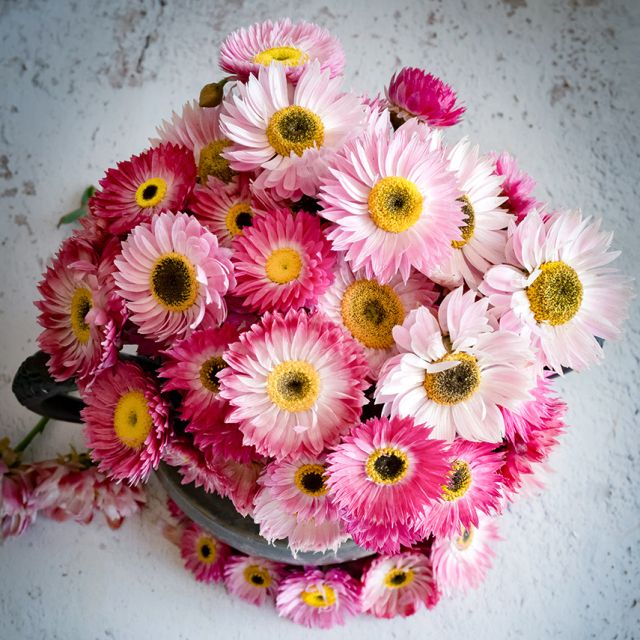
A darling, rosy-hued, everlasting bloom to enliven the landscape and arrangements. These papery-petaled flowers sit atop 16- 24-inch stems, making them suitable for the cutting garden and landscaping. A native of Australia, the plants are quite rugged and tolerant of poor soil, heat, and drought. Ideally planted in sandy soil.
Dandelion- Japanese White

This white dandelion is held in high esteem in Japan. This species is specifically found growing wild in southern Japan. It is not considered an aggressive or weedy dandelion variety. Instead, it is celebrated in its native land as a useful food and medicine plant. Its delicately bitter leaves are lightly boiled into Ohitashi. The snow-white blooms are lightly battered and fried for tempura, and the long tap root is favored both for its culinary potential and its medicinal benefits. Try growing a trifecta of dandelions in pink, yellow, and white for a perfectly pretty pastel presentation!
Dandelion - Pink (Out of Stock)

A darling little wildflower from central Asia, the pink dandelion is a much less prolific relative of the common yellow dandelion. While a pink dandelion may seem unusual to American gardeners, the pastel blooms can be found growing along forest edge lines, meadows, and roadsides in their native range. Leaves, roots, and blooms of pink dandelion are edible; they are slightly less bitter than the common yellow dandelion. The 1-2 inch blooms are pink with a lemon-cream center, making them incredibly alluring to butterflies, honeybees, and other pollinators. The pink dandelion is a rich source of vitamin A.
Echinacea- Alan's Pride

This unusual and sprightly, sour-apple green echinacea blooms in the first year! This standout bloom received the prestigious Fleuroselect Novelty Award for its unique color and first-year blooming habit. Plants reach just over 2 feet tall, adding cheer to perennial beds, annual flower gardens, borders, and even containers. This variety is well suited to cutting for arrangements, and it is highly attractive to pollinators!
Echinacea - Paradiso Mix (Out of Stock)

A real spectacle in the herb garden, Echinacea Paradiso Mix is a blend of the wildest combination of gem tones. This candy jar of color adds gorgeous accent to herb gardens, perennial beds, meadows, and containers. A truly remarkable medicinal ornamental, plants stand 2-3 feet tall and can be harvested and made into an herbal tea that studies have shown may help boost the immune system. A must-have for cold and flu season.
Echinacea - Purple
 Description
A beautiful purple wildflower and well-known medicinal herb with numerous uses. Excellent. Showy flowers bloom on tall, sturdy stalks.
Honeywort - Kiwi Blue

Description
A recently ‘rediscovered’ ancient flower, grown in European gardens since the Middle Ages. This subtle stunner has cool silvery blue foliage and nodding indigo blooms. A relative of borage, each flower has a drop of ‘honey’ that is irresistible to pollinators. This lesser known foliage plant has recently been embraced by floral designers as a versatile foliage filler. It becomes an even deeper blue as cool weather sets in.
Lavender (Out of Stock)

Famous for fragrance, the lavender-colored blossoms are used in potpourris, soaps, etc. A great old-time cottage garden plant.
Marigold - Crackerjack (Out of Stock)
 Description
The giant African type that is popular with gardeners coast to coast; the big double blooms come in shades of lemon yellow to deep orange, and the 30-inch plants are profuse.
Marigold- Disco Mix (Out of Stock)

Cheerful, 2-inch, single-petaled blooms in a fun mix of yellows, reds, oranges, and golds. This splendid blend adds sunshine to beds, borders, and the vegetable patch. Known as an early bloomer, these plants are quite short and tidy at just 9 inches tall by 6-10 inches wide. This variety is very floriferous, and each plant is jam packed with blocks of color, reminiscent of a checkered disco dance floor!
Marigold - Little Hero Fire (Out of Stock)

A petite yet bold French marigold. The pincushion blooms with flame colors create a stunning effect like smoldering embers. These tidy plants are tightly packed with 1- to1.5- inch blooms. The dwarf but sturdy plants reach just 10 inches tall and about 12 inches wide.
Marigold - Safari Scarlet (Out of Stock)

A gleaming carnelian-orange color gives Safari Scarlet an incredible luminescence. Dwarf plants are generously adorned with radiant, anemone-type blooms, making for stunning visual impact in containers, beds, or borders. Plants reach just 8 to 10 inches tall, and about 6 to 8 inches wide with 2-inch blooms.
Marigold- Tiger Eye

Description
Marigolds are the flowers choice in Mexico when celebrating Día de los Muertos - Day of the Dead. Symbolizing death, these ornate flowers are placed on the alters and graves of deceased loved ones. They will reach heights of 25” - 30” and will bloom from summer through fall.
Mexican Sunflower- Arcadian Blend
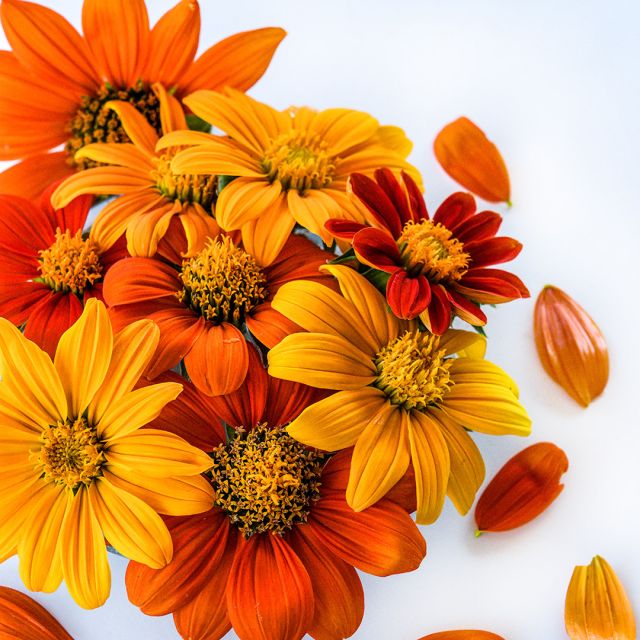
(Tithonia rotundifolia). This stunning variety has carefree wildflower tangerine, crimson, and canary-colored blooms. This is native from Mexico to South America and attracts tons of beneficial insects and pollinators. Well-branched plants stand 2 to 2.5 feet tall and are smothered in 3-inch blooms.
Nasturtium - Bloody Mary

Description
(Tropaeolum minus). Deep shades of crimson, maroon, and brick red are splashed across creamy white petals to make a melodramatic scene in the flower bed. A true Renaissance variety, Bloody Mary is a throwback to the highly decorative nasturtiums that were offered in seed catalogs at the turn of the 20th century. Bloody Mary reminds us of the variety “Twilight,” which was offered in the 1902 Burpee’s seed catalog. Plants reach 16-20 inches tall.
Nasturtium - Tip Top Alaska Salmon
Description
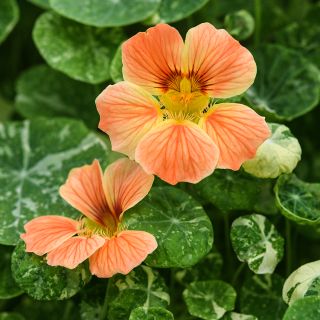
(Tropaeolum minus). Tiny plants and incredible edibles! A favorite edible flower in a soft salmon color. Compact plants reach just 8 inches tall. The variegated leaves are also edible and make a spicy green in salads. The romantic blush-toned petals are perfect for fine edible flower designs. Simply delicious!
Nasturtium - Tom Thumb

Description
This dwarf nasturtium has mix of yellow, red, and orange flowers that will bring color to your garden after the spring bulbs have finished blooming. This compact mounding variety grow 16 to 18 inches tall and looks great in containers. The flowers and leaves are edible and will add a peppery flavor to your salads.
Pansy- Antique Laeta

Description
(Viola cornuta). These dainty, dime-sized blooms are adorable. The petals are colored like fresh-churned spring butter with a dollop of jammy plum at each center. Plants average 3- to 6- inches tall. These one-of-a-kind dwarf violas look super sweet peeking out of tiny pots, tucked into the fairy garden, or planted in borders and beds or window boxes. The blooms are edible, topping baked goods with a perfect touch of elegance.
Pansy- Arkwright Ruby
Description
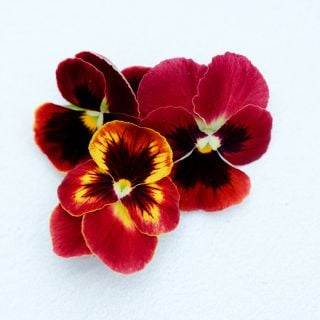
(Viola cornuta). A luxurious, antique variety with 1 inch blooms that are a dazzling ruby color with gilded gold eyes and edges. The crimson and gold tones make for a classic addition to beds, borders, containers, and window boxes. This regal variety predates the 1940s.
Pansy- Bertran's Purple Eclipse

Description
(Viola x wittrockiana). The incredible deep purple blooms with bright white edging make this variety really stand out in the garden. Medium-sized flowers are produced in abundance on compact plants. Perfect for salads, garnishes and makes a lovely tea.
Pansy- Historic Florist Mix
Description
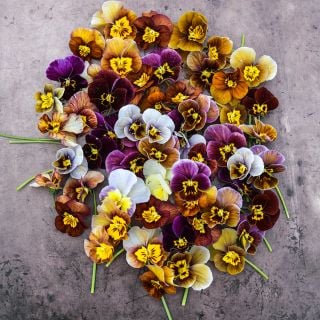
(Viola x wittrockiana). A throwback to the smaller antique pansies, with a lovely mix of shades from plum to bronze with canary yellow centers. Tuck these tidy 8-inch tall beauties into beds, borders, containers and cottage gardens and don’t forget that the blooms are also edible!
Pansy- Lake of Thun
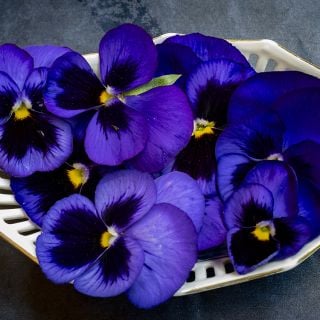
Description
(Viola x wittrockiana). This great pansy, which is also known as Ullswater, is the loveliest of all deep blues, being named for the sparkling blue waters of the Alpine Lake Thun of Switzerland. This heirloom is perfect for bouquets and delicious in syrups and jellies! Plant a bed of pure blue beauty this year!
Pansy- Trumpets Mix

Description
(Viola x wittrockiana). Enjoy a rainbow of HUGE flowers! A charming mix of bold tones from blue to plum, gold and tangerine, even including a splash of bicolored petals. This glorious potpourri of gem tones will enliven your beds, borders, flower pots, and even the dinner plate, as the petals are edible! Tidy and compact plants reach just 8-10 inches tall, making them a perfect choice for window boxes!
Phlox - Lavender Beauty

Description
Deeply fringed or indented petal margins give the impression of far more than 5 petals that are actually present. Compact plants rarely exceed 9 inches and are perfect for edging. Makes a superior container variety when situated so that the intricate details of each unique flower can be appreciated up close.
Sunflower - Chocolate Cherry

(Helianthus annuus). Enter an alternate galaxy when you step into the Chocolate Cherry sunflower patch. The petals range from deep obsidian to rich chocolate and black cherry and burst forth from deep onyx centers like a supernova. Some blooms have a vibrant yellow ring, or corona, around the pollen disk, just to add extra depth! This multi-branching variety stands 6-7 feet in height and the heads average 5-8 inches across. This is a top choice for garden design or cut flower sales thanks to a long vase life and lower pollen count than other heirloom sunflowers. Please note, a small portion of the sunflower blooms will throw some off-type colors.
Sunflower - Henry Wilde
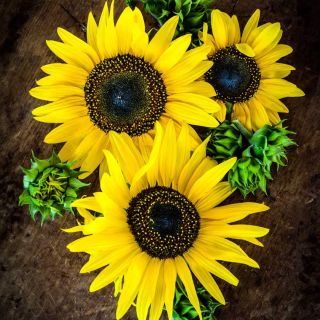
(Helianthus annuus). This is a classic-looking heirloom sunflower variety with pure yellow petals and dark centers that grows up to around 7 feet tall. It is perfect for use as a cut flower as well as for planting along a fence.
Sunflower- Sun Spot Dwarf Cola

(Helianthus annuus). These single, large flowers are very impressive for the size of the plant—10-inch flower heads on 3-4 foot plants. Their color is warm sunflower yellow with a dark center. Excellent container subject, placed where the geometry of the flowers’ centers can be appreciated close up.
Sunflower - Titan

Description
(Helianthus annuus). These massive, record-setting flower heads have reached a fantastic 24 inches across in some areas! One of the largest sunflowers you can grow, it also produces lots of really big seeds. Fun for kids and adults alike!
Zinnia - Benary's Giant Deep Red

(Zinnia elegans). This zinnia is a real showstopper with its deep blood-red blooms that reach 4-5” across and come packed with double petals. Benary’s zinnias are top-notch, with flowers that are bigger, more uniform, and just plain stunning. A classic zinnia from Benary Seeds, a renowned company founded by Ernst Benary in Erfurt, Germany, in 1843.
Zinnia - Benary's Giant Orange

(Zinnia elegans). Captivating with its vibrant tangerine blooms, this zinnia measures 4-5 inches across and is adorned with exquisite double petals. Benary’s zinnias are distinguished by their larger, more uniform, and truly spectacular flowers. A classic choice from Benary Seeds, a prestigious company founded by Ernst Benary in Erfurt, Germany, in 1843.
Zinnia - Oklahoma Pink
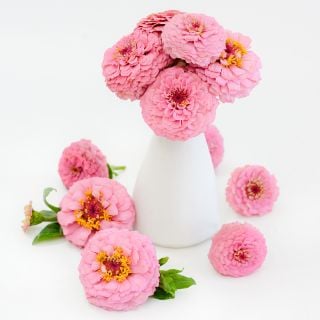
(Zinnia elegans). Think pink with these pastel pink beauties, packed with petals so dense they look almost unreal. The 2.5-inch blooms are produced prolifically on hardy plants—pinker than a panther and perfectly puffed!
Zinnia - Persian Carpet
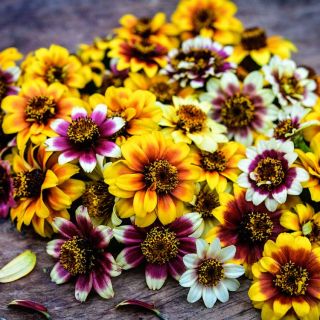
Description
(Zinnia haageana). Stunning gold, red, chocolate, orange, and cream. Many of the 2" double flowers are bi-colored. This brilliant heirloom was a 1952 AAS winner and is still a favorite of many. The plants produce loads of stunning flowers.
Zinnia - Purple Prince

(Zinnia elegans). This dahlia-flowered type is one of the tallest we’ve seen! The blooms are extra large and brilliant amethyst-purple with pale green centers. Wonderful for cut flowers and a lavish display in the garden, especially planted en masse. Beloved in gardens since 1949. Fabulous!
Birdhouse
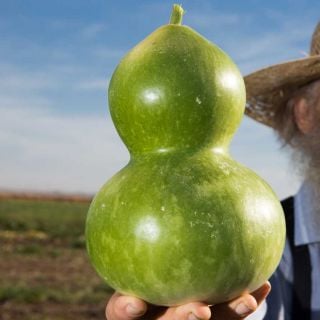
The popular gourd for making bottles, birdhouses and many other useful items. Fun to grow.
Dishcloth Luffa

Burpee’s 1888 catalog said, “A natural dishcloth, and a most admirable one. Many people prefer this as a dishcloth. The fruit grows about 2 feet, and the vine is very ornamental, producing clusters of yellow blossoms in pleasing contrast with the silvery-shaded, dark green foliage. The dried interiors of these gourds have already become an article of commerce; grown in Florida, they are sold by Philadelphia and NY druggists.” Tasty cooked like okra when young.
Old Tokyo Komatsuna

Description
The old and traditional Komatsuna strain from Tokyo, Japan, makes a perfect spinach substitute. It might be hard to believe that Komatsuna is actually a mustard! The leaves combine the best qualities of spinach and mustard, with a mild and sweet flavor reminiscent of spinach but with the powerful nutrition of a mustard! The leaves are very high in vitamins A and C, and it is a good source of vitamin K, folate, and minerals such as calcium and iron.
Tatsoi

(Brassica rapa subsp. narinosa). Tatsoi is nicknamed Vitamin Green, and rightfully so. This gourmet green is known as one of the richest sources of vitamin C and it is replete with other incredible vitamins, minerals, and health-promoting compounds! Tatsoi also boasts glucosinolates (which have been extensively studied for their potential to lower the risk of some cancers) and carotenoids, which promote eye health. You won’t have to bargain with your kids to get them to eat this veggie. It’s super sweet and easy to love, with a mild and refreshing flavor. The low-growing rosettes are comprised of tiny, glossy spoon-shaped leaves that boast a crisp and juicy mouthfeel.
Basil- Blue Spice
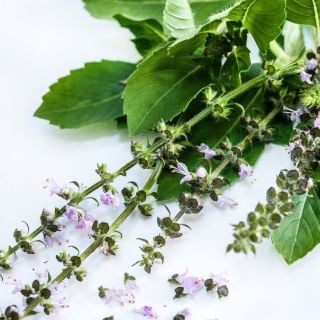
(Ocimum americanum). Vigorous plant with dense spikes of light purple flowers enclosed in showy deep purple bracts, making for an especially fine appearance in pots or in the garden. It has a heavy fragrance with spicy vanilla overtones that makes a pleasant contribution to both fruit salads and savory dishes. The most fragrant basil we have seen.
Basil- Chinese Sweet
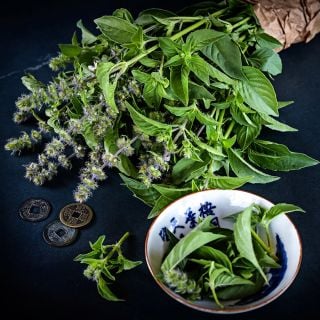
(Ocimum basilicum). A flavorful, citrusy variety that is perhaps the most tender and aromatic basil we’ve tried! This fast-growing, heat-tolerant basil provides lemony orange-flavored foliage all summer long. The leaves are smooth in texture, and even the stem is tender enough for raw eating in salad. A popular Chinese variety perfect for Asian dishes and fusion cooking! This delicious herb is hard to find in America.
Basil- Cinnamon

A cinnamon twist on one of our favorite garden herbs. Cinnamon basil is believed to have originated in Mexico, and indeed, there are many recipes and uses for this piquant basil in Mexican cuisine. The light cinnamon and anise flavor adds the perfect touch to fruit salads, desserts, and savory preparations. The leaves also make a soothing cup of tea. Cinnamon basil contains many vitamins and minerals. It also attracts a wide range of pollinators.
Basil - Genovese
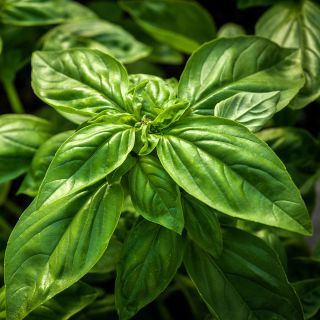
(Ocimum basilicum). An absolutely legendary heirloom that no Italian chef can cook without. Genovese basil is the essential ingredient in basil pesto, but it’s also phenomenal in sauces, on pizzas, and any other recipe calling for basil. Genovese basil was first bred in the Northwest coastal port of Genoa, the gateway to the Italian Riviera. Most of the Genovese basil in Italy is grown in the Liguria region. Basil is grown at a very high density in greenhouses there, and the village of Pra is noted as growing the very best Genovese basil.
Basil- Lemon
Description
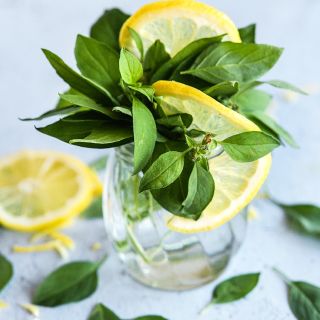
(Ocimum americanum). Vibrant and flavorful lemon basil is an herb that will add zip and zest to your cooking. In Laos, it is known as “pak i tao”; its leaves are used in soups, stews, and countless other dishes, and the seeds are soaked and made into a dessert. Lemon basil is essential to many Asian dishes and is highly fragrant.
Basil- Lime
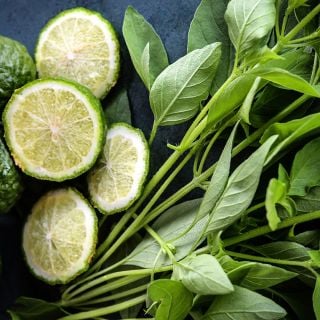
(Ocimum basilicum). A zesty and refreshing basil variety with distinct lime fragrance and flavor. Wildly attractive to pollinators, the fragrant foliage is a delightful addition to the herb garden, containers, beds and borders. A few sprigs of lime basil tucked into a floral arrangement brings forth a burst of scent. Famous in Thai food and other Southeast Asian dishes. An excellent tea herb, it is also incredible when made into a simple syrup—so much fun in fusion cuisine, drinks and desserts!
Basil- Mammolo

A classic Italian Genovese basil with a tidy, compact habit. A superb container variety, Mammolo has been bred to have an exceptionally high leaf-to-stem ratio and a compact growth habit. The short internodes mean plants are super bushy, free of undesirable leggy stems and a rangy habit. Leaves are large with a classic Italian basil aroma and flavor, without the minty smell and flavor that some experience with Italian basils. This variety is respected by large-scale growers in Italy, who need a uniform, vigorous basil with gold-standard flavor to please the discerning local palate for basil. A market grower’s favorite and a must-have for those growing in pots.
Basil- Red Rubin
Description
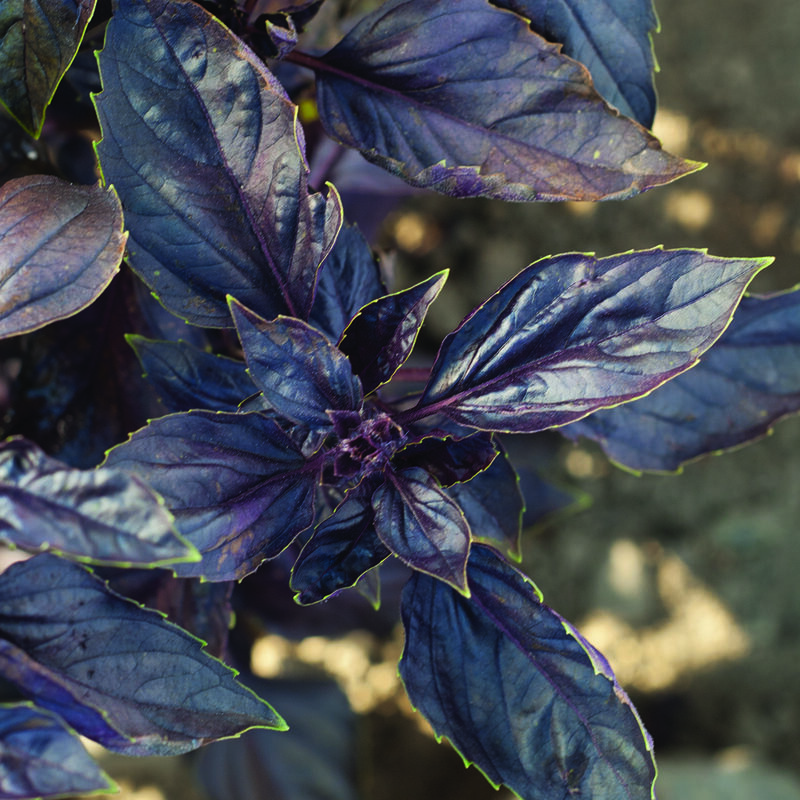
High yields and great flavor. Flat, 3" long leaves stand out horizontally. Purple flowers and purple-copper leaves make an attractive garnish. Ht. 18–24". Also available in organic seed.
Basil- Thai Holy

Description
(Ocimum tenuiflorum). A bold and intense, authentic type of Thai basil that is difficult to find outside Asia. The delicate, slightly hairy leaves of this distinct variety are highly revered in Thailand for their piquant flavor. Its flavor notes of clove and black pepper make it much less sweet than the Thai Sweet basil, lending robust flavor to a multitude of dishes.
Basil- Thai Sweet

Popular sweet, spicy basil that is essential in Thai cuisine. Very flavorful with a nice licorice taste. Amazing taste of Thailand! This plant is not only a culinary favorite but also known for its medicinal value. It is also a source of calcium and vitamins. Don’t make a pot of curry without it!
Cat Grass- Variegated Barley
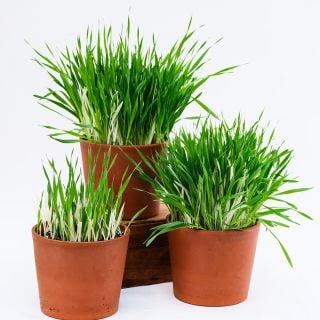
30 days. Cats love a number of different grasses when they’re in the mood for such things, but our barley is variegated in green and white stripes so it’s a treat for the eye as well! A dish of grass for your feline companion can save a lot of wear and tear on your houseplants, and is much healthier for your cat as well.
Catnip

(Nepeta cataria) The herb is famous for its ability to drive cats wild; however, it is also medicinal. This versatile herb can be used to make a flavorful herbal tea, which has been traditionally employed as a natural remedy for alleviating symptoms of colds, flu, and other respiratory ailments. This is also a highly vigorous plant, making it a great fit for gardens of various conditions.
Chamomile - Zloty Lan

This Polish chamomile is bigger and higher yielding than the standard and is easy to grow at home from seed. It has a wonderful aroma and is used to make teas. Chamomile is one of the herbs used in biodynamic compost preparations and has a high level of essential oils. The compounds in this herb have been extensively studied for their health benefits.
Chive

Wonderful, mild onion flavor. These long, thin chives are excellent in many meals; great raw or cooked. Lavender flowers.
Cilantro - Slo-Bolt

(Coriandrum sativum). An easy-to-grow and more bolt-resistant version of one of the most popular herbs. Cilantro is considered essential to the cuisines of many cultures, from Mexican to Thai and no matter your cooking style, no garden is complete without cilantro. Planting frequent successions just a few weeks apart is the best method to ensure the most fresh and flavorful cilantro.
Dill

(Anethum graveolens). Bouquet dill is early to flower and has large seed heads. It is excellent in pickles and used to flavor many other foods as well. An easy-to-grow variety that will be suitable even for gardening beginners.
Garden Cress

Description
Garden Cress (Lepidium Sativum) is a tasty and popular green that is very easy to grow, nutritious and is often added to salads and sandwiches or used as a garnish. It is a relative of mustard and cabbage, and has a distinctly spicy, peppery, pungent flavor. A carefully selected variety that can easily be grown indoors in your kitchen or outdoors in the garden. Cress also brings a bit of hot and spicy to stir-fries and other cooked dishes.
Days to germination: 3-5
Planting depth: 1/4"
Plant Spacing: 1 - 2"
Soil Temperature: 65 to 70 F
Light Requirements: Part Shade
Lemon Balm (Out of Stock)
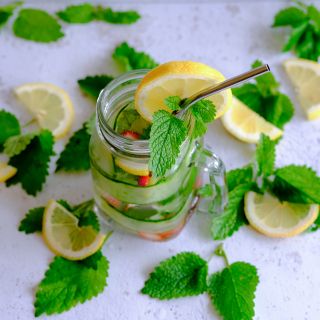
Description
Deliciously lemon-flavored foliage makes an absolutely sublime herbal tea and inviting aromatic plant. A vigorous, hardy plant and an old cottage garden favorite! Perfect foliage plant for mixed plantings as it boasts great lemon fragrance and flavor!
Lemon Balm - Limoncello (Out of Stock)
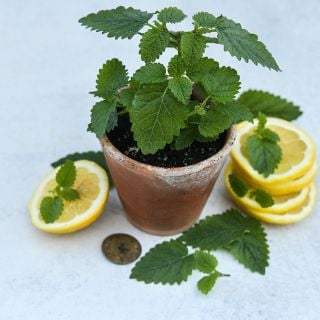
This lemon balm is much more strongly lemon scented than any other lemon balm variety! Leaves are infused with intoxicating flavor and fragrance. The crawling habit makes this an enthralling container plant as it “spills” from hanging baskets and pots. It also makes a delightful, scented ground cover and is a delicious tea plant to add citrusy notes to your blends. Small white blooms appear in summer. Height 6-12 inches, 20-24 inches wide.
Lemongrass (Out of Stock)

The famous tropical lemon-flavored herb of Thai cuisine. Its long, pale green stems are thick and fleshy. This perennial must be grown in warm weather or inside to keep from freezing.
Lovage

Flavorful, dark green leaves and yellow flowers; the leaves and seeds are used for flavoring stews, soups, salads, pickles, and more. Nice celery taste. The hardy plants can be grown in most of the North.
Mint- Marvelous Mix

(Mentha mix). This is perhaps the most powerful perennial to invite into your landscape. Countless beneficial insects are absolutely enchanted by mint, while many pesky garden pests are repulsed by it. Growing mint from seed is a lesson in the beauty of chaos in the natural world, as the busy activity of insect pollinators causes a wide spectrum of mint flavors. While the flavors may range from spearmint to peppermint or applemint, the purported medicinal and pest-repelling benefits remain the same. It will certainly spread and should be planted in a contained area, raised beds, or grown in pots.
Oregano- Wild Za'atar (Out of Stock)

Za’atar is an ancient herb of the Middle East, and it shares its name with a spice mix beloved in every Middle Eastern cuisine. Origanum syriacum is also known as Majorana syriaca, Syrian oregano and white oregano. It is a key ingredient in the spice mix, lending a complex and pungent flavor that contains hints of oregano, thyme, and marjoram. Za’atar was also used in traditional medicine as an antiseptic.
Parsley - Flat Leaf

Perfect for sauces. High in essential oil content, with a stronger flavor than curly leafed parsley, this variety is a good source for vitamins A, C, and K.
Rosemary (Out of Stock)

The plant has been used for centuries, both medicinally and in the kitchen. Small evergreen shrub is covered with needle-like aromatic leaves and a myriad of tiny pink or blue flowers in summer. Perennial in mild winter climates; elsewhere, grow in containers for overwintering indoors. The dark green leaves may be used fresh or dried. Flowers are beloved by bees. The plants are lovely and can live for years with proper care.
Sage- White
Description
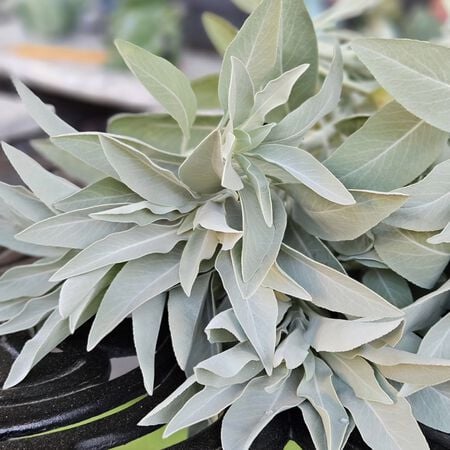
(Salvia apiana). 90 days. Perennial in zones 7-12. Salvia apiana, also called Sacred sage or White sage, is a strikingly beautiful and fragrant variety native to the southwestern United States and northwestern Mexico. The long, elliptical leaves turn bright white as they mature, and the silvery blue flowers are a favorite of pollinators. This woody shrub will grow quite large as a perennial, up to five feet tall and three feet wide. In colder climates, it can be grown as an annual or in pots. Sacred sage is often dried and used ceremonially. Its traditional medicinal uses include detoxification and purification.
Thyme (Out of Stock)

(Thymus vulgaris). Small, rounded leaves along woody stems are very aromatic and flavorful. A delightful culinary herb that balances and enhances any dish. Not winter hardy but grows well in containers.
Early Purple Vienna

Description
Delicious, cabbage-flavored bulbs that grow above ground. Purple skin and sweet, white flesh; good cooked or raw. Kohlrabi makes a real staple crop with high yields; cold hardy. A pre-1860 heirloom.
Early White Vienna

(Brassica oleracea var. gongylodes). Delicious, cabbage-flavored bulbs that grow above ground. Pale green skin and sweet, white flesh; good cooked or raw. Kohlrabi makes a real staple crop with high yields, and it is also cold hardy. A pre-1860 heirloom.
Arugula

(Eruca sativa). This delicious green has spicy, peppery, mustard-like flavor, which is great in any salad. With an incredibly high germination rate, lovely crunch, and tolerance for cool weather, some call this the perfect cold-weather green. If wild birds and aphids tend to ravage your lettuce, try arugula instead. It is drought-tolerant and incredibly easy to grow, but watch out—chickens love it, too!
Buttercrunch

(Lactuca sativa) Bibb/Butterhead. Buttercrunch has been setting the standard for classic butterhead type lettuce for many years. Its soft, buttery-textured leaves enclose a crisp, juicy, loose inner head of blanched, sweet-tasting leaves. Very heat tolerant and slow to bolt, Buttercrunch stays mild long after others have turned bitter. Developed by George Raleigh, Cornell University, and an All-America Selection for 1963.
Great Lakes

Description
Great Lakes Lettuce (Lactuca sativa) is a popular head lettuce that produces large, well-packed heads of crisp green leaves. Iceberg variety is slow bolting, sunburn resistant and adapted to hotter temperatures. A carefully selected variety to grow outdoors in the garden planted in the spring or fall. Prefers a bit of shade in hot summer weather. Can also be grown indoors during winter under lights or in hydroponics system.
Heirloom Cutting Mix

(Lactuca sativa). Packed with brightly colored and unique lettuces, it makes for a flavorful and eye-catching salad. This flashy blend brings old-fashioned taste your home table. Folks can’t get enough of this delightful blend! Great for pot gardening and window boxes.
Kale- Blue Curled Scotch
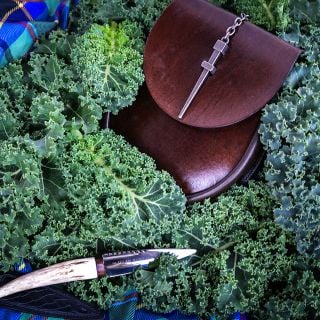
A truly astounding superfood, Blue Curled Scotch kale is packed with health promoting properties, including a range of antioxidants. Studies have shown kale to have anti-inflammatory properties, as well potential ability to aid in cancer prevention. In a side-by-side study of different kale varieties, curled kales were shown to have the highest concentration of glucosinolates, which studies have shown to have anti-cancer properties. Aside from an incredible host of health benefits, Blue Curled Scotch kale has a pleasant sweet and nutty kale flavor, and is perfect for kale chips.
Kale- Dwarf Siberian

(Brassica oleracea var. sabellica). This tasty Russian variety produces leaves that are only slightly frilled and of top quality. 16-inch plants are very hardy and productive. Tasty and full of nutrients, this plant is a super hardy variety for extended harvests!
Kale- Red Russian
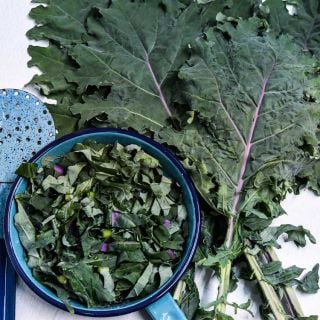
Description
(Brassica oleracea var. sabellica). A highly nutritious kale variety with eye-catching color and form, Russian Red is very tender and mild at any size, but especially well suited to use as baby greens. The oak-type leaves of this pre-1885 heirloom variety have a red tinge, and the stems are purplish-red, adding color to the garden and the dinner plate!
Landis Winter

Description
(Lactuca sativa) Bibb/Butterhead. Hardy and frost-resistant lettuce. Each head reaches 11 to 12 inches in diameter with a loose butterhead appearance.
Little Gem
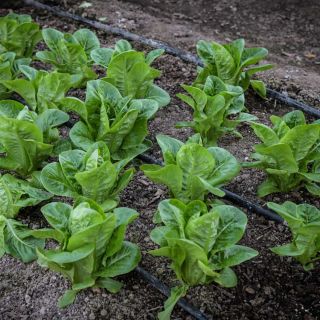
Description
(Lactuca sativa) This is a very small, green romaine type. A superb heat-tolerant variety that is sure to please! Famous among chefs and home gardeners alike!
Merlot
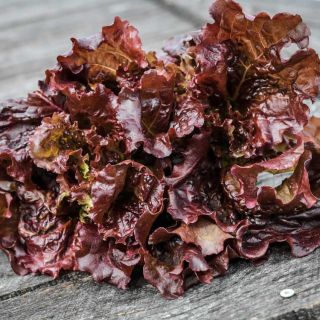
(Lactuca sativa) Leaf. Reputed to be absolutely the darkest red lettuce in existence, making it tops for anthocyanin (antioxidant) content as well! Leaf lettuce with wavy to frilly leaf margins and very crisp, waxy leaves! Excellent bolt resistance, and good cold tolerance for a late fall to winter crop. Recommended as a cutting type for baby greens production or cut-and-come-again harvesting. A rich source of potassium and vitamin A.
Ali Baba
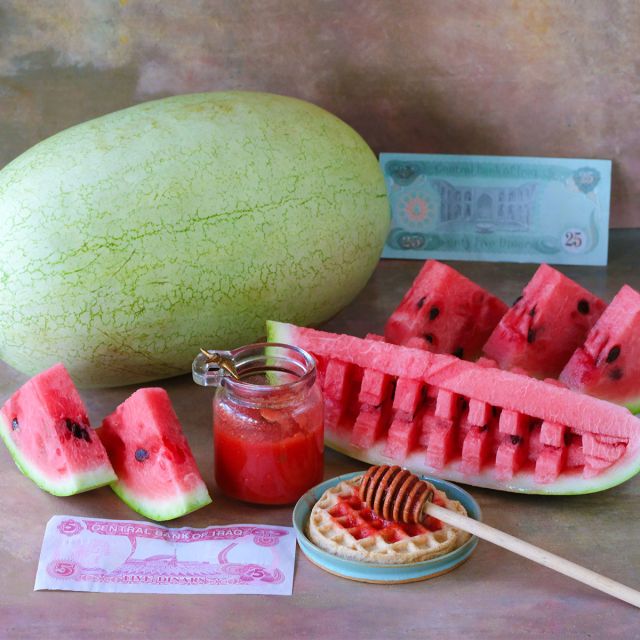
Description
Incredible Flavor! The 12-30 lb melons have hard light green rinds that make them perfect for shipping and storage. The light color makes them resistant to sun burning. Plants are large, vigorous and give heavy yields of oblong fruit, which do well in many conditions. The flavor is superb, being very sweet and luscious; and the texture is very crisp. Ali Baba has received much acclaim online “as the best tasting watermelon,” and it will forever win a spot in any melon lover’s heart.
Black Jewel

Description
A sugary sweet, deep crimson watermelon from Kumamoto, Japan. The skin is thin and dark green, nearly black. The flesh is super firm, sparsely seeded and intensely sweet. Watermelon growing is serious business in Kumamoto; the fruit from this region is famously delicious and rigorously tested for high brix content and firm flesh! With its distinctive dark skin and sweet flesh, this Kurokodama cultivar is related to the famous Densuke Black Diamond watermelons grown only in small quantities on the island of Hokkaido, but it is much smaller and doesn’t typically command the same high prices at market.
Crimson Sweet
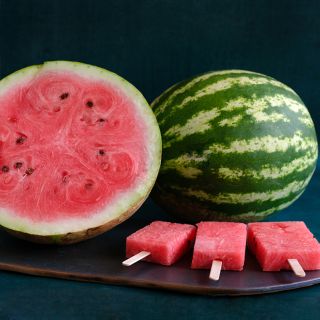
AAS Winner from 1964, very popular. Crisp and sweet, medium-red flesh. A good producing type that is still quite popular.
Golden Crispy
Description
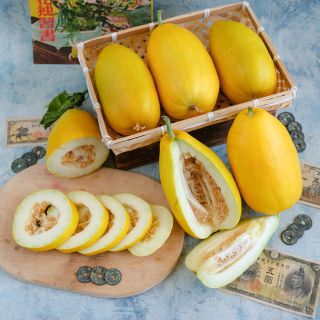
Easy-to-grow, early-to-mature Asian melon with a succulent sweet flavor and crisp flesh. This gourmet variety originated in Japan and became a commercial success before it was discontinued in the early 1980s. The small, oblong- to pear-shaped fruits weigh about ½ pound each. Smooth, golden skin with incredible sweet, uniquely aromatic white flesh. This delicious, personal-sized melon was almost lost and we are delighted to see it shine once again.
Hale's Best

Description
A classic, silky-fleshed super sweet market muskmelon from the early 20th century. In 1923, I.D. Hale encountered a Japanese American market farmer growing this variety in Imperial County (near Brawley, California). This sweet, smooth, orange-fleshed melon has been a staple for home and market growers since!
Honeydew
Description
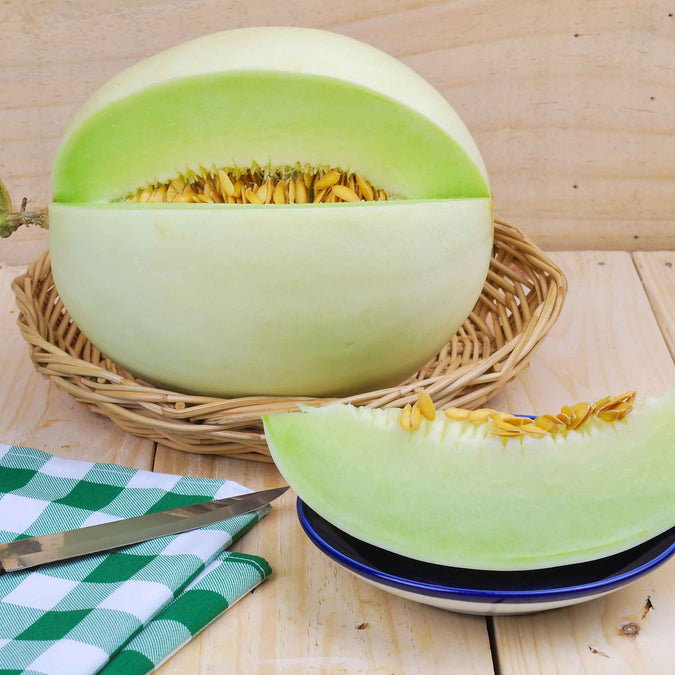
The light green flesh of the honeydew melon (Cucumis melo) is succulent and firm with a subtle honeylike flavor. Cool and refreshing when eaten alone or as an addition to fruit salads or smoothies.
Kaho
Description
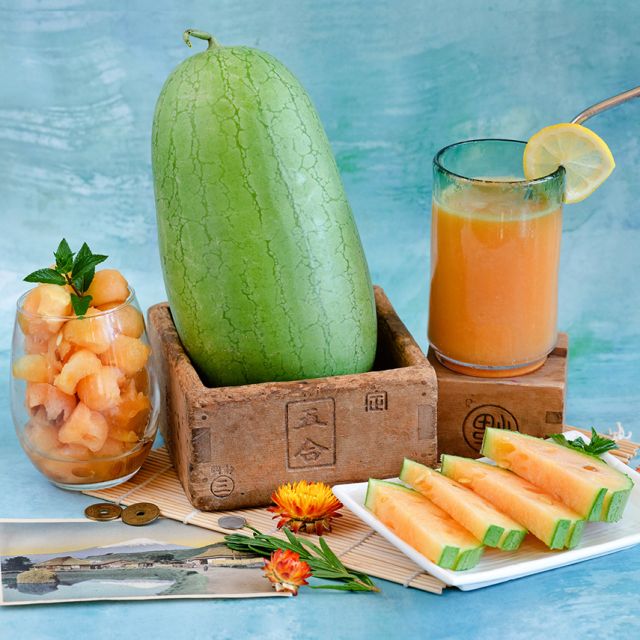
The Kaho watermelon has gorgeous salmon-orange flesh that is delicious right up to the super thin rind, making this one of the unique watermelons we have trialed. It was also one of the best we’ve tasted. Elongated fruit weighs about 2-4 pounds and is perfect for 2 servings. This rare heirloom was originally brought to Japan from China around the year 1912.
Lemon Drop

Description
An outstanding and super rare all-golden mini melon. Baker Creek had been searching for an all-yellow watermelon for many years. These incredibly small and early-producing melons are just what we’ve been pining after--a rich lemon-yellow color from skin to flesh! Like striking gold, this glorious gilded watermelon was the stuff of dreams and legend. The excitement was palpable as these Asian-type, pocket-sized melons began to ripen on the vine at the trials. We were thrilled with the vigorous growing habit and productivity; each vine blossomed and provided perfect single-serving fruit of 1-2 pounds, with unparalleled, candy-sweet flavor and a crispy texture. The flesh of this thin-skinned little snacking melon is edible all the way down to the rind. It is a perfect home garden or local market melon, as the thin skin is not well suited to long-distance shipping. The vines produce tons of melons. The vines throw a small percentage of green-skinned fruit.
Moon and Stars
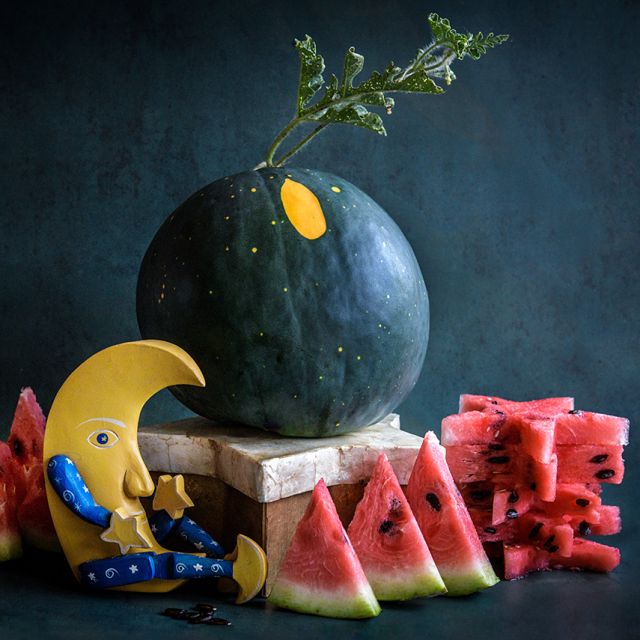
Description
Legendary heirloom variety rediscovered in Macon, Missouri. Can grow to over 40 lbs. The dark green rind has bright yellow spots on it! Spots range in size from tiny to several inches across. Leaves are also specked in yellow. It has very sweet, brilliant red flesh. Originally introduced by Peter Henderson & Co. in 1926, it was called “SUN, MOON AND STARS.” The catalog says, “...an extraordinary variation...and that it has such a delicious taste.” It was sold then for 20 cents a pack. Unique variety!
Orangeglo
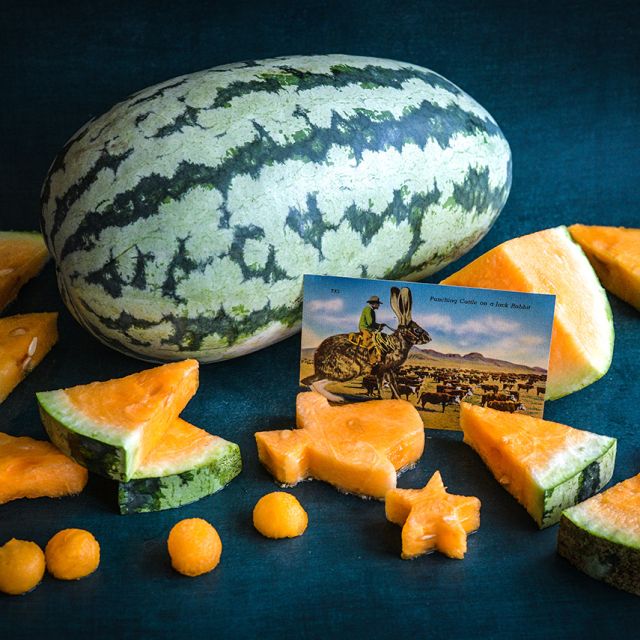
Description
Beautiful, deep orange flesh; very sweet, excellent, almost tropical flavor! Very resistant to wilt and insects; strong healthy vines. Introduced by Willhite Seed Co. prior to 1965.
Royal Golden
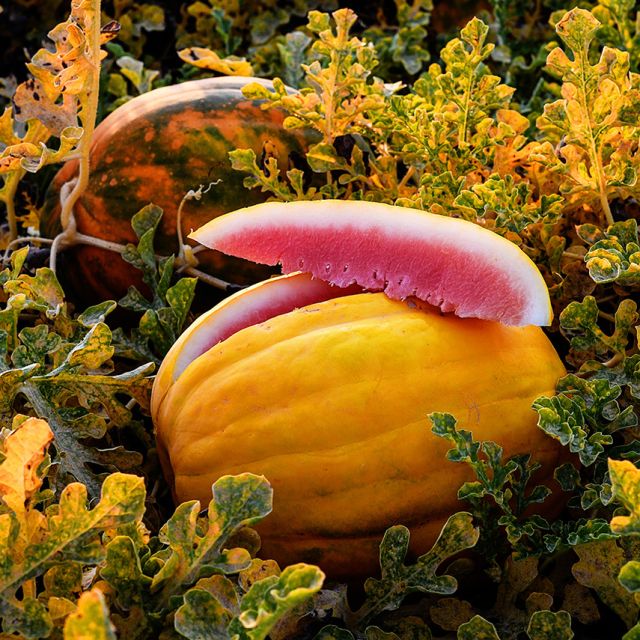
Description
The rind of this heirloom turns brilliant golden-yellow when ripe! The distinctive color makes it a snap to know when to harvest, and it is so beautiful in your garden. The tasty pinkish-red flesh is super sweet, crisp and refreshing. It was developed from the “Pumpkin Rind” variety, a now-extinct, early American watermelon.
Clemson Spineless

Plant is spineless, with tasty green pods that are best picked small. Developed in 1939. Still a standard in many home gardens.
Jing Orange

Description
Lovely pods are a deep reddish-orange and are quite colorful. This Chinese variety produces lots of flavorful 6- to 8-inch pods early, even in dry conditions. An exciting new variety that is unique and beautiful.
Heshiko

A perfect heat- and cold-tolerant green that is a go-to choice to grow alongside Asian greens in the cool season! No garden should be without this easy-to-grow culinary staple!
Yellow Sweet Spanish

(Allium cepa). Long day. One of the best yellow onion varieties. Excellent choice for beginner gardeners, this is one of the easiest and most adaptable onions to grow. The large fruit easily grows to 1 pound each and has good storage quality. Large Sweet Spanish is a staple for the home gardener and market farmer alike looking for a reliable and flavorful heirloom onion.
Cowpeas- Clay

90 Days. Introducing a true Southern gem: J.T. Harris’s heirloom clay peas! This African American variety was a staple in the kitchens of the south for generations, famed for their flavor and hardiness.—talk about a historical bite! Enjoy a taste of tradition with these flavorful, time-tested peas!
Green Beauty Snow
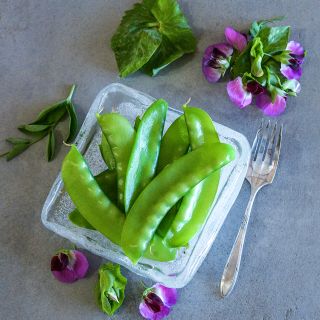
(Pisum sativum). A magnificent giant! The green pods are tender, even harvested at their full size of up to 8 inches long. Vigorous plants are productive and reach 6-8 feet tall in ideal conditions. Bred by eminent public-domain plant breeder Dr. Alan Kapuler. Delicious, tender pods are likely the largest of all!
Sugar Snap

60 days. The original Sugar Snap pea is still as sweet as ever and hard to beat! This classic, edible-pod pea is a favorite among gardeners and food lovers alike. The delicious, tender pods are perfect for snacking right from the garden, stir-frying, or adding to salads. Plus, they freeze beautifully for enjoying later. Awarded AAS winner status in 1979, it’s a tried-and-true gem that’s sure to please! Long vines grow beautifully on any fence or trellis.
Tom Thumb
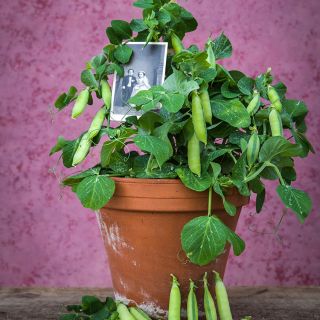
(Pisum sativum). Tom Thumb Garden is absolutely the best pea variety for container planting! Reaching only 8 to 9 inches in height, it’s grown mainly as a shelling type, but the pods are also sweet, tender, and delicious when harvested very young. This variety excels when tucked into small spaces around the garden, and for cold-frame production very early or very late in the season. This unusual heirloom originated in England and was first introduced in the U.S. by Landreth Seeds, Philadelphia, in 1854. Even more frost tolerant than most other pea varieties, and, naturally, it requires no staking!.
Ajvarksi

Description
Two-foot, stocky plants are covered in 6- to 7-inch, broadly wedgeshaped pods that ripen from green to deep, rich red. These peppers are incredibly fragrant and tasty. When you throw half a dozen on your grill, everybody in your neighborhood will smell them! These thick-fleshed traditional peppers are roasted on flat metal stoves, peeled, then ground into a traditional relish called ajvar, which is eaten spread on bread, often with sirenje, a local cheese similar to feta. Nearly every rural household puts up a supply of ajvar for winter eating. In autumn, North Macedonians flock to the markets in fertile valleys in the east to buy bushels of the best aromatic roasting peppers from the local villages.
Banana

Sleek, tapered fruit reaches 6-7 inches long, 2 inches wide and a translucent ivory color when immature, ripening quickly to stunning red-orange. Superb pickled or stuffed, in salads, and more. A treasure!
California Wonder

One of the oldest and largest heirloom bell pepper available. First introduced by California growers around 1928. Tall, sturdy plants produce good yields of blocky, thick-walled fruits. A delicious green pepper that ripens to a vibrant red.
Canary Bell

70 days. Superior sweet pepper, medium-sized, thick-walled green Fruit ripensing to bright yellow color. Sets early and produces all summer. Superb in salads, and a premier type for grilling. Exceptional flavor, very productive two-foot plants.
Carolina Reaper

(Capsicum chinense). Believed to be the second hottest pepper in the world (after the patented "Pepper X"), the Carolina Reaper is a serious scorcher! For extreme pepper eaters, Carolina Reaper is a must. For those less adventurous, they make a great conversation piece in the garden. These devious little peppers are fiery red with a little scythe-shaped tail at the base of many fruit, hence the name reaper. The heat rating on these monsters can be over 1,500,000 Scovilles; the spicy habanero is a mere 100,000 Scovilles!
Chinese 5 Color
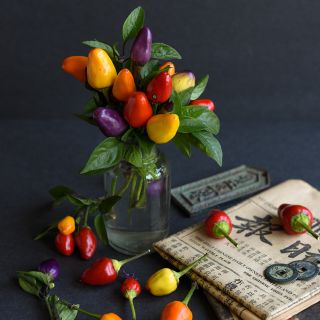
(Capsicum annuum). Screaming-hot little peppers turn a rainbow of vibrant colors, from purple, cream, yellow, and orange to red as they ripen. Need we say ornamental? The plants are great for containers inside. Just pick a few at any time to liven up your salsa.
Chocolate Beauty
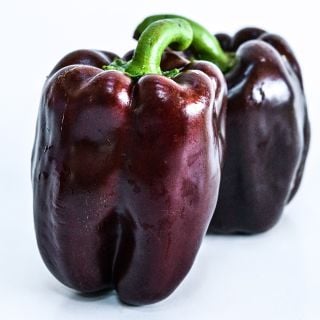
(Capsicum annuum). 75-80 days. Big, beautiful, and oh-so-chocolatey! These large bell peppers turn from green to a deep, rich brown, offering an extra burst of sweetness. Just like dark-colored tomatoes, these deep-hued peppers have an even more intense flavor. They’re not only stunning to look at but also a joy to grow.
Datil
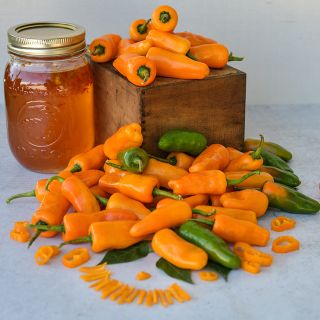
(Capsicum chinense). Bursting with fruity, hot goodness! Perfect for spicy salsas, sauces, and fabulous jellies! The renowned pepper originates from St. Augustine, Florida. Local legend says the peppers were brought there from Spain, where they do enjoy a following in Minorca. However, they may also have originated in Chile. Blazing hot, blunt little 3.5-inch fruit ripens to a brilliant orange-yellow. The heat is vicious, being comparable to habanero types, but the flavor is more complex, sweeter, and more fruity.
Jalapeno- Craig's Grande

(Capsicum annuum). A delicious, fat jalapeño that is perfect for making lots of salsa. Perfect for anyone who loves jalapeños. It has thick, flavorful, hot flesh. Developed at Redwood City Seeds. We love this one!
Mini Bell Mix

Description
This colorful mix of dainty bell peppers is an old Ohio family heirloom. This trio of mini red, yellow and chocolate bell peppers was introduced to the Seed Savers Exchange by member Lucina Cress. Lucina received the seeds from an elderly neighbor woman and began to grow them out. The 2-inch mini bell peppers became locally famous, as Lucina would sell hundreds of jars of cabbage-stuffed pickled peppers at her local church bazaar each year. Plants produce an abundance of tiny colorful orbs that are easy to grow and so rewarding.
Nadapeno

Description
Love the flavor and crunch of jalapeño, but can’t take the heat? This truly heatless jalapeño is perfect for those with sensitivity or aversion to the heat of traditional jalapeño peppers. Great for pickling, stuffing, poppers, and salsa. This variety is very early and prolific!
Poblano
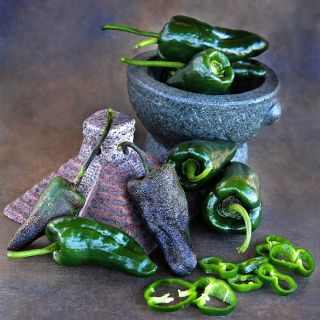
(Capsicum annuum). One of the most popular chilis in Mexico! 3- to 6-inch heart-shaped fruit is usually of gentle heat, at around 2000 Scovilles. Used green, after roasting and peeling, it is the classic pepper for chili rellenos. Dried, the fruit turns a rich dark red-brown and may be ground into an authentic red chili powder. Plants reach 2 feet or so.
Sugar Rush Peach

Description
An amazing combination of a fruity flavor with some added fire! A sumptuous snacking pepper, Sugar Rush Peach is by far the most fun pepper to eat. The long, peach-colored fruit is packed with loads of super sweet, tropical flavor, and the seeds bring a smoky, complex heat that creates a wild flavor experience.
Thai Red Chili

(Capsicum annuum). This hot little heirloom chili from Thailand is used in almost every Thai dish. The small, 1-inch pointed fruit is easy to dry and fantastic in both traditional and contemporary recipes. The ornamental plants are loaded with bright red peppers packed with pungent heat.
Violet Sparkle
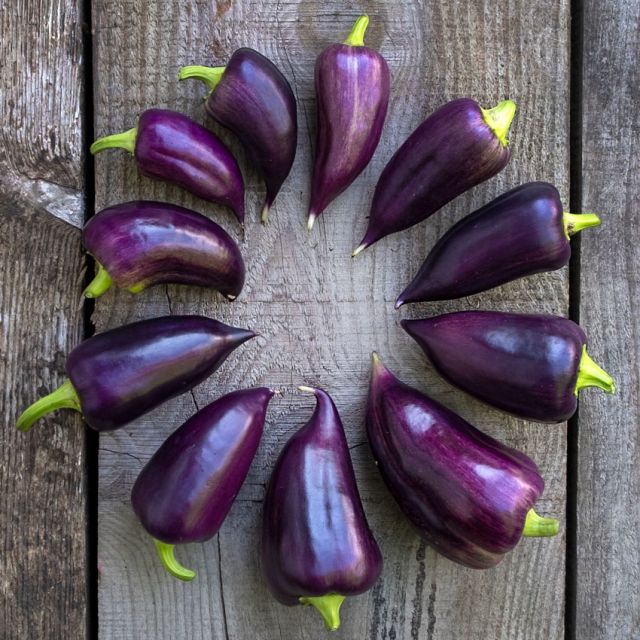
Huge yields of easy-to-grow, sweet violet fruit! Perfect for salads and salsas. Pointed, wedge-shaped fruit is purple streaked with pale yellow. Ripens red. Very lovely and delicious, sweet, crisp, and thick-walled.
Carrots- Danvers 126 Half Long

Description
(Daucus carota). The original Danvers Half Long dates back to the 1870s. This strain “126” was improved in the 1940s. The old standard American carrot is adaptable and dependable. This variety has thick 7-inch roots with a wonderful flavor.
Carrots- Koral

Description
(Daucus carota). A super nutrient-dense heirloom from Europe. A 100-gram serving of Koral carrot provides over half of your daily recommended allowance of vitamin A! Plants are productive and vigorous, with cylindrical, deep orange roots that average 8-9 inches long and resist splitting, even when grown in heavier soils. Its silky smooth texture makes Koral one of the very best for juicing. This excellent keeper carrot is widely grown in Europe but practically unknown in the U.S. Superb for making delicious carrot juice, sweet and flavorful!
Carrots- Kuroda

(Daucus carota).This refined root will please even the most discerning palates, but don’t let the silky soft texture fool you—this is a hardy breed. The roots can power through tough soil and blistering heat, producing winning roots under even the most brutal conditions.
Carrots- Kyoto Red
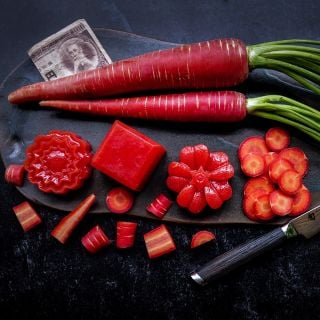
(Daucus carota). Our favorite carrot with its sweet, fruit-like flavor! This is a Japanese Kintoki-type (sweet red) carrot. These silky red carrots are grown near Kyoto, Japan, where they are traditionally eaten on the Japanese New Year, often carved into the shape of a plum blossom to represent fertility in the coming year. These carrots have an exceptional texture and a very sweet, slightly watermelon flavor. Long, tapered roots grow to 10 to 16 inches long. These reign supreme as a roasting, grilling, dessert, and fresh juicing carrot! Possibly the finest flavored carrot on the planet!
Carrots- Little Finger

(Daucus carota). This is a superb baby-type carrot with a deep orange color. It was originally developed in France for canning and pickling. These sweet 3-6-inch carrots are great for a vitamin A loaded snack.
Carrots- Pusa Asita Black
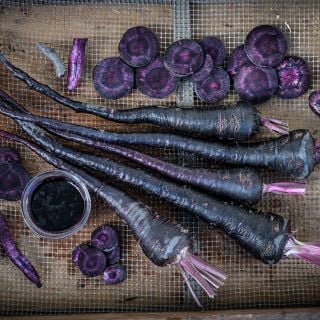
Description
(Daucus carota). Amazing color and flavor! Potentially the world’s richest plant-based source of anthocyanin, this carrot from India is so rich in the dark-pigmented antioxidant that the roots are practically black! It is especially well suited for the south and performs better than other carrots in extreme heat, though it tastes better when harvested in the fall or winter. Its flavor is richer and sweeter than a regular orange carrot, and the color deepens as carrots mature, even bleeding like a beet when cut.
Parsnip- Hollow Crown

Description
Tasty, white, long roots, sweet flavor. Harvest after frost; a standard in all fall gardens. A popular variety in the 1820s.
Radish- Early Scarlet Globe

(Raphanus sativus). This is the classic round red radish. Its crisp white flesh is mild and tasty. It also has a better warm weather tolerance than many other varieties, making it a timeless staple in every garden.
Radish- Japanese Minowase Daikon

(Raphanus sativus). A popular old Japanese favorite, valued for its culinary versatility and refreshing crunch. The giant white roots grow to 24 inches long and 3 inches wide. Sweet and very crisp, this radish is a delight pickled, stir-fried, steamed, or raw.
Radish- Round Black Spanish

(Raphanus sativus). This is a large 5-inch winter type, probably grown since the 16th century or before. It has deep, near-black skin and snowy-white flesh. The roots will keep all winter in good conditions. Fine, fairly hot flavor; good raw or cooked. Also called Noir Gros Rond D’hiver which is French for “black big round of winter.”
Rutabaga- Navone Yellow Cabbage

Description
Also known as rutabaga or Swedish turnip, this root crop is a delicious, sweet winter treat. This very large variety has deep golden-yellow colored roots that are very sweet and rich tasting. They are excellent when roasted, sautéed, baked, fried, boiled, mashed, or added to soups, casseroles, and stews. When raw they have a peppery taste and are typically grated into salads or coleslaw. In northern areas, they can be sown in the late winter for an early summer harvest. In warmer parts of the South, sow in August or September so that they can use the cooler autumn months for their growing season.
Turnips- Aji Kogane

Description
(Brassica rapa). A Japanese salad turnip with gorgeous, golden skin and oh-so-sweet flesh. It is excellent for raw or cooked preparations and exceptionally easy to grow. If you love the Hakurei turnip, you will love this tender, gilded little morsel. This thin-skinned salad type is scrumptious raw or can be roasted, steamed, and added to soups.
Turnips- Asuka Akane

(Brassica rapa). This Japanese turnip with slender roots and a vibrant magenta color adds a splash of pink color to pickles, stir-fries, and salads. Growers, add this eye-catching turnip to root stacks and bundles for extra curb appeal at the farmers market.
Turnips- Purple Top
Description
Purple Top Turnip (Brassica rapa) grows smooth round globes that are purple on top and white below the soil line. The greens are tasty and nutritious, and the turnips have a sweet flavor and fine-grained texture. Best harvested when 3" or smaller in diameter. Turnips are a refreshing garden snack that can be enjoyed in stews, soups and stir-fries.
Sow directly outside early spring through late fall in a sunny location with fertile, well-draining soil. Thin when plants reach 3" tall.
Bloomsdale Long Standing

Description
The old standard since 1925, which does better in hot weather than most other varieties. The plant has glossy, deep green, delicious leaves. Very popular with fine chefs.
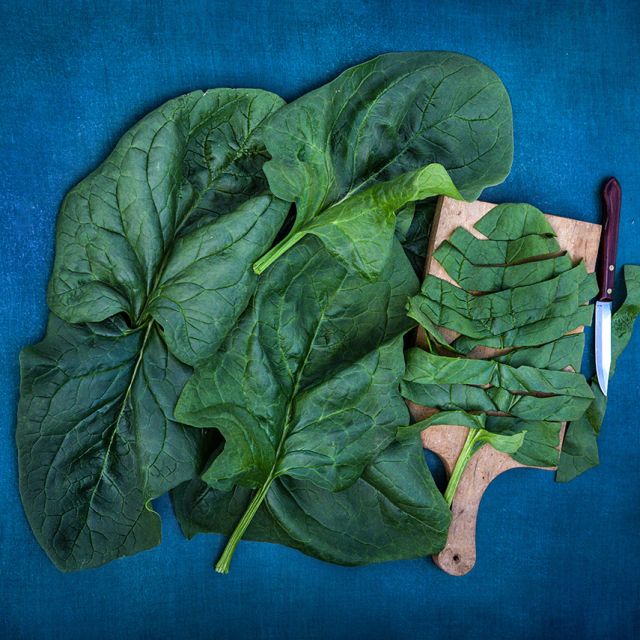
Merlo Nero
Description
A fine-flavored Italian spinach that has dark green, savoyed leaves. This productive variety is fairly early. While popular in its native Italy, it is rare and difficult to find in the U.S.
Burpee's Butterbush Butternut

(Cucurbita maxima). A dwarf and super early maturing Waltham-style butternut with some of the tastiest flesh we’ve ever tasted! Short-season growers and those with compact spaces will rejoice knowing that the tidy vines reach just 3 feet long and bear medium-sized, 2 to 4-lb fruit that is ready to harvest in just 75 days! Each hardy bush will produce 4 to 5 fruit considered to be long keepers.
Connecticut Field Pumpkin

Description
This heirloom pumpkin of the New England settlers and Native Americans is several hundred years old. The golden fruit weighs about 20 lbs each. This is a truly old variety, and can be used for pies; the traditional American pumpkin.
Early Prolific Straightneck

Description
AAS Winner from 1938, developed in Detroit Mich. Uniform lemon-yellow, club-shaped fruit of excellent quality. Tender and delicious.
Galeux D' Eysines

Description
(Cucurbita maxima). This flattened, round, 10-15 lb fruit has gorgeous, salmon/peach-colored skin covered with large warts! The deep orange flesh is flavorful, smooth, and sweet, making it good for baking. It’s also popular among the French for making soup.
Jack Be Little Pumpkin

(Cucurbita pepo). This tiny, cute pumpkin weighs just 3-8 ounces; flat and ribbed. These are highly popular and a top-selling fall crop. The flesh is good to eat, and the skin is bright orange. This type of squash is common in Asia, and pumpkins of this type are offered to the spirits by many in Thailand, where they come in 4 or 5 colors.
Jarrahdale Pumpkin

(Cucurbita maxima). Slate, blue-grey, 6- to 10-lb pumpkins of superb quality. They have a flat, ribbed, and very decorative shape. Popular in Australia, and an overall excellent variety. One of the more tasty varieties for many savory dishes and is excellent for a year-round supply of squash, as these will often keep well over 12 months!
Kinshi Noodle

(Cucurbita pepo). 85 days. It produces wheat-free, low-carb noodles in abundance on productive vines. According to some sources, Sakata Seed Co. developed an improved strain of a Chinese spaghetti-type squash. It is said that Burpee picked up this seed and began selling it as Vegetable Spaghetti in 1936. In Japan, spaghetti squash is most commonly called ‘Somen Kabocha’ or ‘Kinshi Uri.’ Somen means skinny noodles and Kinshi means golden thread, and it is very popular to eat the ‘noodles’ cold during the hot summer. The book Sosai Engei Zuhen (1951 by Jyouji Togashi & Suteki Shinohara) states that the spaghetti squash originated in China, some say in the 19th century. Sakata Seed Co. was founded in Yokohama in 1913, and there are records showing they were importing spaghetti squash to North America prior to 1921. Much of the paperwork before the war was lost in the Great Yokohama Air Raid, and there are no documents remaining to definitively answer where their squash originated. What we do know is that the Japanese have been growing this squash for over a hundred years, and people on both sides of the world have been enjoying it for at least that long!
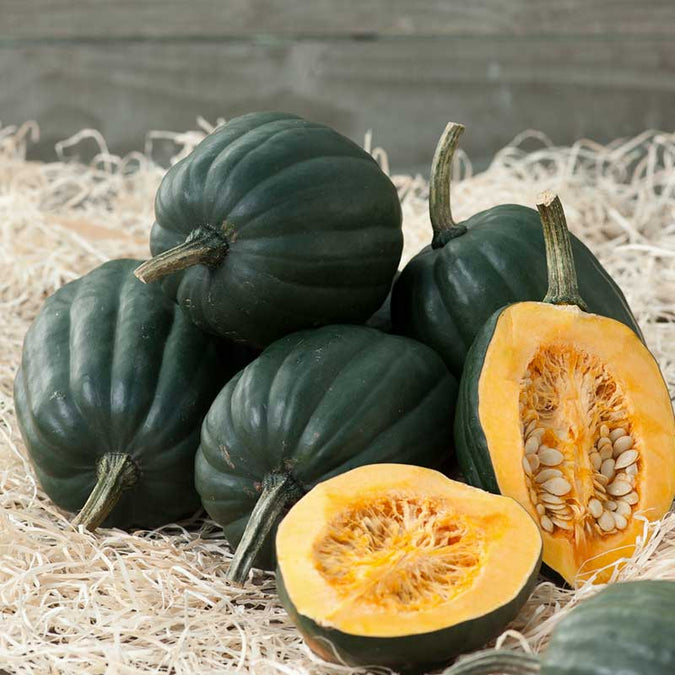
Table Queen Acorn
Description
This variety is a medium-sized, acorn-shaped, vining type. The flesh of this heirloom acorn is a sweet golden yellow that turns more orange in storage, contrasting with its dark green and ribbed rind. Harvest before frost, leaving part of the stem attached to the fruit.
White Scallop

A very ancient Native American heirloom squash, grown by the Northern tribes for hundreds of years. This type was depicted by Europeans back to 1591, and is one of the best-tasting and highest-yielding varieties still around today! Great fried or baked. Flat fruit with scalloped edges--beautiful!
Zucchini- Black Beauty

Bush. The classic dark-green summer squash that has made modern zucchini of this type popular. Introduced into the U.S. markets in the 1920s, and seed companies started listing it in the 1930s. Delicious fried or baked; best picked young.
Zucchini- Costata Romanesco

Description
Costata Romanesco' delivers a manageable harvest of high-quality, fluted fruits with complex flavor and firm texture. The striped and mottled skin stays tender even to 18", though in Italy they are picked at 4"-5" with the blossoms still attached. Large production of male blossoms for stuffing.
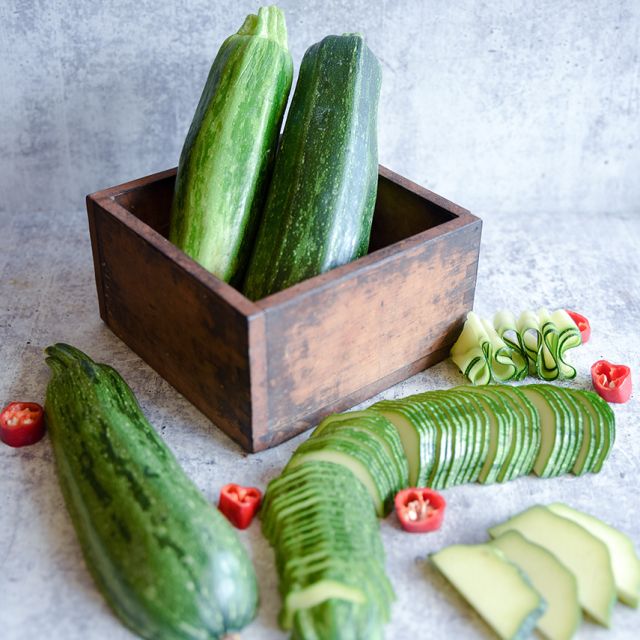
Zucchini- Nimba
Description
This early and hardy zucchini comes from Poland; nice medium-green color. Great for cool, short-season areas and anyone who wants early squash. Tasty fried. Great yields.
Barese
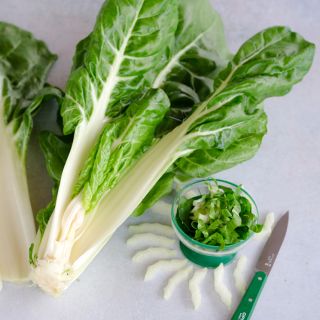
(Beta vulgaris). A particularly delicate and tender Swiss chard that stands up to a range of weather and pests. This is believed to be the best tasting of all chard varieties, being both sweet and tender! Use for baby greens or harvest the entire heads for bunching. Plants are best when cut at 7 to 12 inches tall.
Fordhook

(Beta vulgaris). This variety was introduced in 1924 by W. Atlee Burpee. It has large, glossy, dark green leaves and thick, white stalks. A hardy, productive and very tasty Swiss chard.
Perpetual Spinach

Description
While this variety belongs to the same species as chard and beets, it has distinctive differences. The taste is more like a true spinach than an ordinary chard, and the leaves look like spinach too—flatter and more pointed than chard, with slimmer stems. Very longstanding in the garden, yielding from late spring through autumn if planted early. Seldom bolts during its first year.
Alice's Dream

(Solanum lycopersicum). A super beautiful beefsteak tomato, bursting with antioxidants and an incredible depth of flavor. This medium/large beefsteak is golden yellow with red striping and a blue blush. We love this productive and anthocyanin-rich variety.
Amish Paste

(Solanum lycopersicum). Many seed savers believe this is the ultimate paste tomato. The giant, blocky, Roma-type tomatoes have delicious red flesh that is perfect for paste and canning. It has a world-class flavor.
Apricot Zebra

Description
(Solanum lycopersicum). Stunning, richly tangerine-colored cherries. They are very unique in appearance, as the lime-green shoulders and extra-fine green striping of the unripe fruit morph to brilliant yellow at maturity. The firm-fleshed, slightly oblong golf-ball-sized fruit are perfect for salads or snacking. Vigorous, disease-resistant plants are wildly productive. Luscious!
Black Cherry

(Solanum lycopersicum). These beautiful black cherry tomatoes look like large, dusky purple-brown grapes. They have that rich flavor that makes black tomatoes famous. The large vines yield very well; very unique and delicious.
Blue Beauty

(Solanum lycopersicum). This recent Brad Gates introduction was selected from a cross between ‘Beauty King’ and a blue tomato. Fruit is a modest beefsteak-type slicer, weighing up to 8 ounces, and the flavor is as good as its outstanding antioxidant content! Gorgeous, deep blue-black shoulders make this unique among slicing types. Sunburn and crack resistance are a welcome bonus.
Brandywine

Description
The most popular heirloom vegetable! A favorite of many gardeners because of the large fruit and their superb flavor. A great potato-leafed variety from 1885! Beautiful pink fruit up to 1-1/2 pounds each!
Cherokee Purple

An old Cherokee Indian heirloom, pre-1890 variety; beautiful, deep, dusky purple-pink color, superb sweet flavor, and very-large-sized fruit. Try this one for a real old-time tomato flavor.
Classic Beefsteak

The classic beefsteak tomato of yesteryear is back! The massive fruit, easily reaching 1-2 pounds, has deep red flesh and good old-fashioned tomato flavor. These are the tomatoes that grandma grew, meaty and firm, perfect on sandwiches or served straight up with a pinch of salt. A particularly good producer in the Northeast, but well adapted to the entire U.S. as well. Scientists recently determined that Beefsteak’s massive fruit was originally caused by a chance mutation. This happy accident created a much larger tomato. Spanish conquistador Hernan Cortez brought samples of a larger, flattened tomato back to Europe. From this seed was developed many larger tomatoes we know today.
Defiant
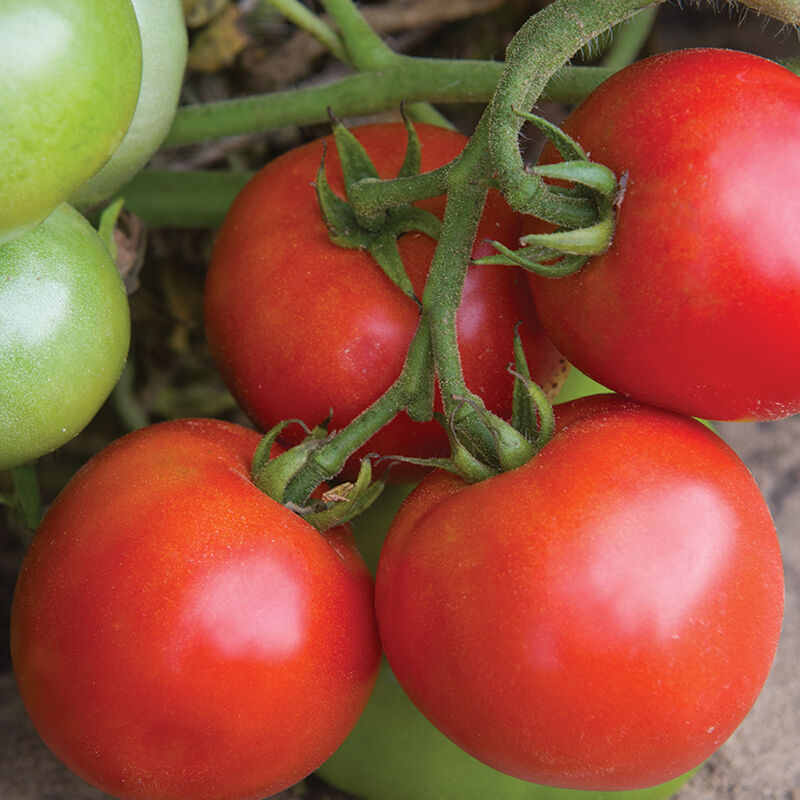
Description
This mid-size slicer has high resistance to late blight and intermediate resistance to early blight combined with great flavor. The 6–8 oz., globe-shaped fruit are smooth and medium-firm with good texture. Deep red internal and external color. High-yielding, medium-sized plants are widely adaptable.
German Lunchbox
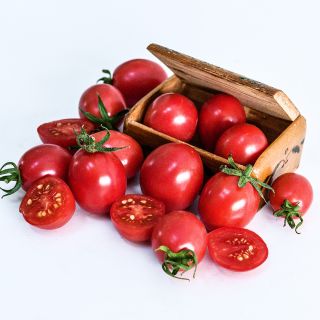
Description
(Solanum lycopersicum). The fruit is the size of a small egg, vibrant pink, sugar-sweet, and begging to be eaten. Perfectly sized for salads or putting in the lunchbox! A favorite!
Large Red Cherry

Description
This is a 19th century heirloom indeterminate variety with abundant yields of sweet and juicy silver-dollar-sized red cherry tomatoes (Solanum lycopersicum) that grow in clusters. Vigorous vines require a trellis for best production. Excellent salad tomato.
Micro Tom

(Solanum lycopersicum). Astounding! The world’s shortest tomato plant, fit for a fairy garden, reaching a mere 6-8 inches tall! These dainty, dwarf-determinate plants were developed by the University of Florida and are the ultimate potted vegetable plant. Super productive little plants are completely enveloped in bright red, tasty 1-ounce fruit. The tidy round plants covered in red orbs make an eye-catching hanging basket or container plant. Ideal for urban gardening, indoor plants, patios or for the tiny house garden! The possibilities are endless with this novel dwarf tomato.
Mortgage Lifter

(Solanum lycopersicum). This large, smooth, 1-pound pink fruit has a delicious, rich, sweet taste. This variety has become very popular in recent years and was developed by M.C. Byles of Logan, West Virginia. After crossing varieties for 6 years and selecting the best, he introduced this beauty that he named Mortgage Lifter in the 1940s, after he sold plants for $1 each and paid off the $6000 mortgage on his house.
Orange Hat

Extra-dwarf bush plants reach just 6-9 inches in height but are wildly prolific, offering oodles of tiny orange orbs that burst with fruity, sweet flavor. This is the perfect indoor or patio tomato, comfortably fitting in a 4 to 6-inch pot. Try these colorful and compact plants as edible ornaments, mass-planted in beds or borders, or in mixed containers. Perfect for sunny windows and/or with grow lights!
Orange Jazz

(Solanum lycopersicum). Famous for its rich, sweet flavor! These beautiful beefsteaks are fruity tasting, justly earning top marks in our tomato-tasting trials. We noted a sugary sweet and complex flavor with a hint of peach. Plants require sturdy staking, as they are large and wildly productive. A real favorite and a wonderful variety for home and market gardens. From Fred Hempel of Artisan Seeds.
Pink Tiger

Description
(Solanum lycopersicum). These shockingly sweet snacking tomatoes are as flavorful as they are pretty! Easy-to-grow and high-yielding plants really crank out these little jewels! Elongated, 2” fruit striped in ruby-pink and gold. Reasonable earliness and excellent flavor! Developed by Fred Hempel.
Queen of the Night
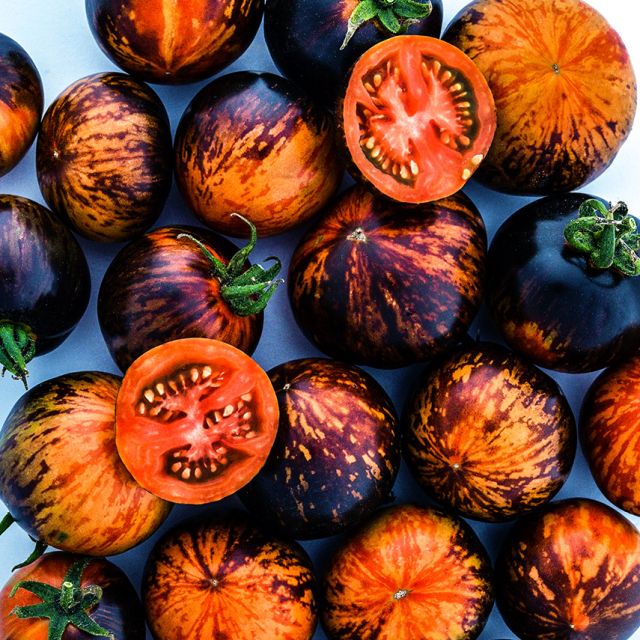
The true queen of black tomatoes, this richly flavored salad-type variety hails from the Rhine region of Germany. The round, 3- to 3.5-ounce fruit develops brushstrokes of ebony, crimson, and orange; cut into the fruit to reveal a stunning vermillion color, fragrant, sweet, and loaded with rich tomato taste! Plants are indeterminate, with a compact habit, reaching 5 to 5.5 feet on average, with blue-tinged, regular leaf foliage.
Red Robin
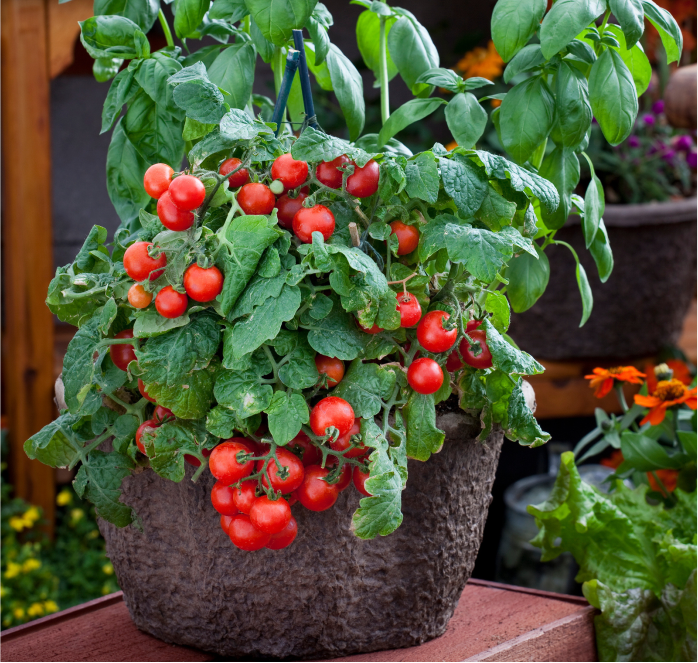
Description
Compact and versatile tomato variety that's perfect for small gardens, balconies, and even indoor growing! Red Robin Tomato is a micro tomato variety that boasts a short plant height of only 6-12 inches, making it a great option for container gardening.
Roma
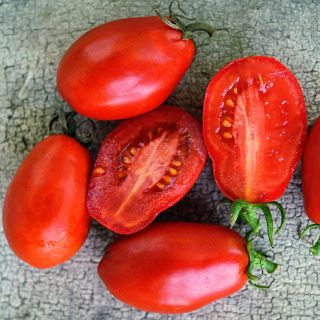
(Solanum lycopersicum). Fantastic yields of richly flavorful plum-shaped tomatoes, on compact plants that require very little staking! Resistant to early blight, reliable for home or market gardens! The paste-type fruit weighs in at 2-3 ounces, dry-fleshed and very meaty with few seeds. Great for sauces, salsas and pastes.
San Marzano
Description
San Marzano is a famous sauce tomato (Solanum lycopersicum) long cultivated in Italy. Small seed cavities with thick, dense meaty flesh helps this tomato cook quickly into a rich tomato sauce. Large plants are disease resistant and produce an abundance of 5-6 ounce fruits.
Spoon
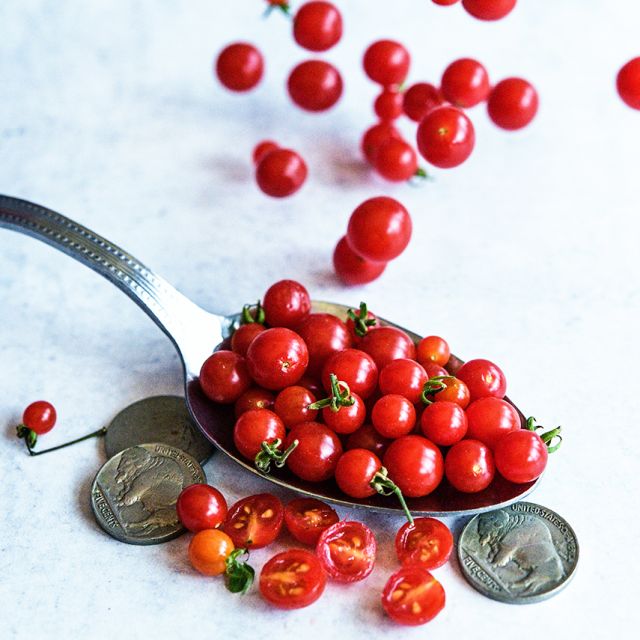
Micro mini fruit, just the size of a tiny pea, and said to be the world’s tiniest tomato! A delightful edible ornamental, the tiny, fire-engine-red fruit is arranged beautifully along super-long trusses. What the Spoon tomato lacks in size, it makes up for in flavor. This variety packs tons of bold, classic red, tangy tomato flavor, another reason why it is a kid favorite! Spoon tomatoes pop in your mouth when you bite into them; they are a joy to eat and grow.
Sweetheart Cherry

Description
Sugar-sweet, crunchy and so delicious! This cherry tomato is packed with sweetness and a rich, berry-like flavor. These little snacking tomatoes hold well on the vine, allowing sugars to build up, making them extra sweet. Wildly productive, they grow well both outdoors and in greenhouses, producing long trusses of crack-resistant red fruit. Allow the fruit to ripen on the vine to a deep red for the very sweetest flavor, or pick earlier if you like it a bit more tangy; either way, it is superb! It proved productive and flavorful even in our cool winter greenhouses, with only 42 F degrees at night. These little strawberry-shaped jewels are a staff favorite.
Tommy Toe
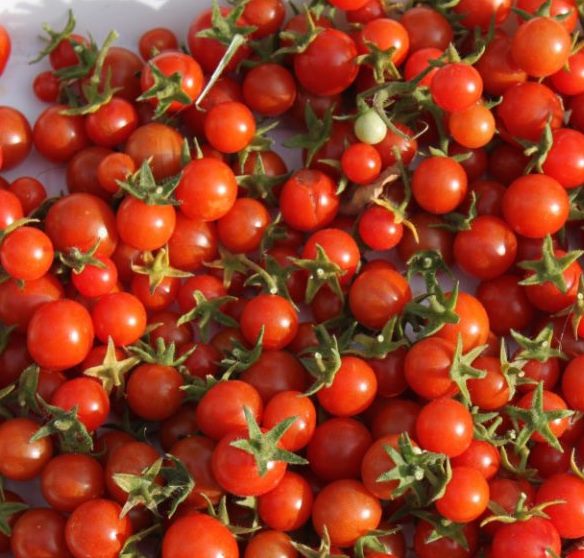
Description
The Tommy Toe Heirloom Tomato, originating from the Ozark Mountains, is known for its glossy red, 1 to 1½-inch oval to round fruits. These tomatoes are versatile, making them ideal for salads or juicing. They are also resistant to early blight and black rot, ensuring a robust and reliable crop.
White Tomesol
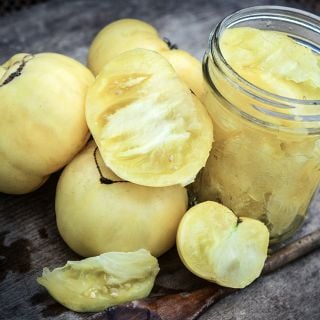
Description
(Solanum lycopersicum). An amazing heirloom that is bursting with fragrance and natural goodness that’s hard to beat. One of the best tomatoes we have tasted, being both sweet and rich. The cream-colored fruits are beautiful, smooth and weigh about 8 ounces each. The vines set heavy yields of this rare treasure. It’s sure to become a favorite of gourmet growers.
Yellow Brandywine
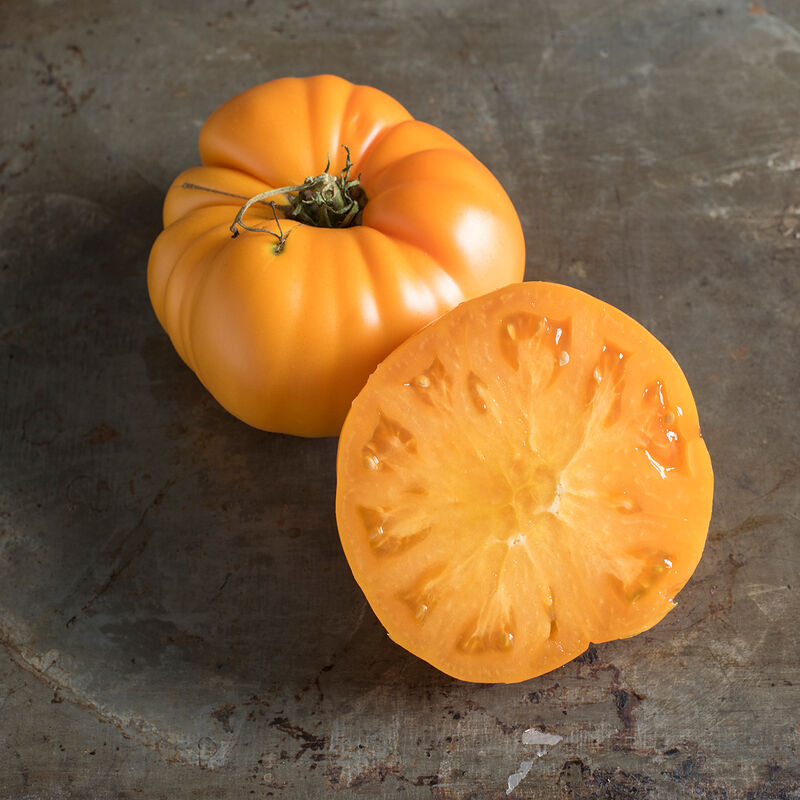
Description
An orange old-timer with rich flavor. An orange version of Brandywine. The fruits are larger than Valencia. This potato-leaf variety can be finicky to grow, with roughly shaped fruit one year and smooth the next.
Yellow Pear

Very sweet, 1.5-inch yellow, pear-shaped fruit has a mild flavor, and is great for fresh eating or for making tomato preserves. These are very productive plants that are easy to grow.
Plant descriptions and images are from Baker Creek Heirloom Seeds or Sow Right Seeds.
Many thanks to the following organizations and individuals who have donated seed to our initial collection:
